 wehub-resource-sync
97e91a83f3
wehub-resource-sync
97e91a83f3
Ruff / Ruff (push) Has been cancelled
Test / Core Tests (push) Has been cancelled
Test / Offline Coverage Tests (Python 3.10) (push) Has been cancelled
Test / Offline Coverage Tests (Python 3.11) (push) Has been cancelled
Test / Offline Coverage Tests (Python 3.12) (push) Has been cancelled
Test / Offline Coverage Tests (Python 3.13) (push) Has been cancelled
Test / Offline Coverage Tests (Python 3.9) (push) Has been cancelled
Test / Full Coverage (Python 3.11) (push) Has been cancelled
Test / Core Provider Tests (OpenAI) (push) Has been cancelled
Test / Core Provider Tests (Anthropic) (push) Has been cancelled
Test / Core Provider Tests (Google) (push) Has been cancelled
Test / Core Provider Tests (Other) (push) Has been cancelled
Test / Anthropic Tests (push) Has been cancelled
Test / Gemini Tests (push) Has been cancelled
Test / Google GenAI Tests (push) Has been cancelled
Test / Vertex AI Tests (push) Has been cancelled
Test / OpenAI Tests (push) Has been cancelled
Test / Writer Tests (push) Has been cancelled
Test / Auto Client Tests (push) Has been cancelled
ty / type-check (push) Has been cancelled
308 lines
10 KiB
Markdown
308 lines
10 KiB
Markdown
---
|
|
title: Extracting Tables from Images using GPT-Vision
|
|
description: Learn how to use Python and GPT-Vision to extract and convert tables from images into markdown for data analysis.
|
|
---
|
|
|
|
## See Also
|
|
|
|
- [Vision Processing](./tables_from_vision.md) - More vision-based table extraction
|
|
- [Multi-Modal Processing](./multi_modal_gemini.md) - Using Gemini for vision tasks
|
|
- [Image Processing Examples](./index.md#vision-processing) - More vision examples
|
|
- [Raw Response](../concepts/raw_response.md) - Access original LLM responses
|
|
|
|
# Extracting Tables using GPT-Vision
|
|
|
|
This post demonstrates how to use Python's type annotations and OpenAI's new vision model to extract tables from images and convert them into markdown format. This method is particularly useful for data analysis and automation tasks.
|
|
|
|
The full code is available on [GitHub](https://github.com/jxnl/instructor/blob/main/examples/vision/run_table.py)
|
|
|
|
## Building the Custom Type for Markdown Tables
|
|
|
|
First, we define a custom type, `MarkdownDataFrame`, to handle pandas DataFrames formatted in markdown. This type uses Python's `Annotated` and `InstanceOf` types, along with decorators `BeforeValidator` and `PlainSerializer`, to process and serialize the data.
|
|
|
|
```python
|
|
from io import StringIO
|
|
from typing import Annotated, Any
|
|
from pydantic import BeforeValidator, PlainSerializer, InstanceOf, WithJsonSchema
|
|
import pandas as pd
|
|
|
|
|
|
def md_to_df(data: Any) -> Any:
|
|
# Convert markdown to DataFrame
|
|
if isinstance(data, str):
|
|
return (
|
|
pd.read_csv(
|
|
StringIO(data), # Process data
|
|
sep="|",
|
|
index_col=1,
|
|
)
|
|
.dropna(axis=1, how="all")
|
|
.iloc[1:]
|
|
.applymap(lambda x: x.strip())
|
|
)
|
|
return data
|
|
|
|
|
|
MarkdownDataFrame = Annotated[
|
|
InstanceOf[pd.DataFrame],
|
|
BeforeValidator(md_to_df),
|
|
PlainSerializer(lambda df: df.to_markdown()),
|
|
WithJsonSchema(
|
|
{
|
|
"type": "string",
|
|
"description": "The markdown representation of the table, each one should be tidy, do not try to join tables that should be seperate",
|
|
}
|
|
),
|
|
]
|
|
```
|
|
|
|
## Defining the Table Class
|
|
|
|
The `Table` class is essential for organizing the extracted data. It includes a caption and a dataframe, processed as a markdown table. Since most of the complexity is handled by the `MarkdownDataFrame` type, the `Table` class is straightforward!
|
|
|
|
```python
|
|
from pydantic import BaseModel
|
|
|
|
# <%hide%>
|
|
from io import StringIO
|
|
from typing import Annotated, Any
|
|
from pydantic import BeforeValidator, PlainSerializer, InstanceOf, WithJsonSchema
|
|
import pandas as pd
|
|
|
|
|
|
def md_to_df(data: Any) -> Any:
|
|
# Convert markdown to DataFrame
|
|
if isinstance(data, str):
|
|
return (
|
|
pd.read_csv(
|
|
StringIO(data), # Process data
|
|
sep="|",
|
|
index_col=1,
|
|
)
|
|
.dropna(axis=1, how="all")
|
|
.iloc[1:]
|
|
.applymap(lambda x: x.strip())
|
|
)
|
|
return data
|
|
|
|
|
|
MarkdownDataFrame = Annotated[
|
|
InstanceOf[pd.DataFrame],
|
|
BeforeValidator(md_to_df),
|
|
PlainSerializer(lambda df: df.to_markdown()),
|
|
WithJsonSchema(
|
|
{
|
|
"type": "string",
|
|
"description": "The markdown representation of the table, each one should be tidy, do not try to join tables that should be seperate",
|
|
}
|
|
),
|
|
]
|
|
# <%hide%>
|
|
|
|
|
|
class Table(BaseModel):
|
|
caption: str
|
|
dataframe: MarkdownDataFrame
|
|
```
|
|
|
|
## Extracting Tables from Images
|
|
|
|
The `extract_table` function uses OpenAI's vision model to process an image URL and extract tables in markdown format. We utilize the `instructor` library to patch the OpenAI client for this purpose.
|
|
|
|
```python
|
|
import instructor
|
|
from typing import Iterable
|
|
|
|
# <%hide%>
|
|
from pydantic import BaseModel
|
|
from io import StringIO
|
|
from typing import Annotated, Any
|
|
from pydantic import BeforeValidator, PlainSerializer, InstanceOf, WithJsonSchema
|
|
import pandas as pd
|
|
|
|
|
|
def md_to_df(data: Any) -> Any:
|
|
# Convert markdown to DataFrame
|
|
if isinstance(data, str):
|
|
return (
|
|
pd.read_csv(
|
|
StringIO(data), # Process data
|
|
sep="|",
|
|
index_col=1,
|
|
)
|
|
.dropna(axis=1, how="all")
|
|
.iloc[1:]
|
|
.applymap(lambda x: x.strip())
|
|
)
|
|
return data
|
|
|
|
|
|
MarkdownDataFrame = Annotated[
|
|
InstanceOf[pd.DataFrame],
|
|
BeforeValidator(md_to_df),
|
|
PlainSerializer(lambda df: df.to_markdown()),
|
|
WithJsonSchema(
|
|
{
|
|
"type": "string",
|
|
"description": "The markdown representation of the table, each one should be tidy, do not try to join tables that should be separate",
|
|
}
|
|
),
|
|
]
|
|
|
|
|
|
class Table(BaseModel):
|
|
caption: str
|
|
dataframe: MarkdownDataFrame
|
|
|
|
|
|
# <%hide%>
|
|
|
|
# Use MD_JSON mode since the vision model does not support any special structured output mode
|
|
client = instructor.from_provider("openai/gpt-4o-mini", mode=instructor.Mode.MD_JSON)
|
|
|
|
|
|
def extract_table(url: str) -> Iterable[Table]:
|
|
return client.create(
|
|
model="gpt-4o-mini",
|
|
response_model=Iterable[Table],
|
|
max_tokens=1800,
|
|
messages=[
|
|
{
|
|
"role": "user",
|
|
"content": [
|
|
{"type": "text", "text": "Extract table from image."},
|
|
{"type": "image_url", "image_url": {"url": url}},
|
|
],
|
|
}
|
|
],
|
|
)
|
|
```
|
|
|
|
## Practical Example
|
|
|
|
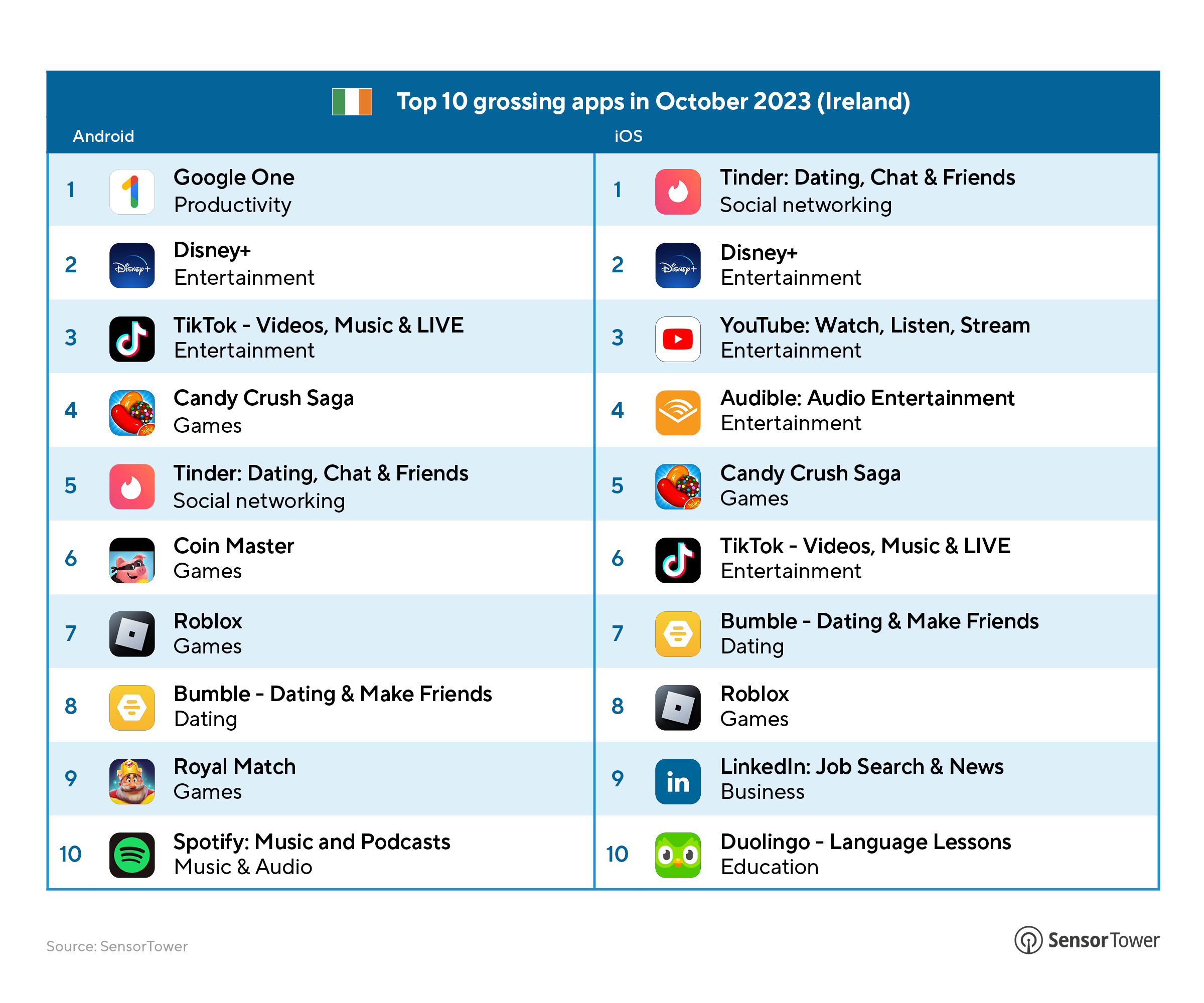
In this example, we apply the method to extract data from an image showing the top grossing apps in Ireland for October 2023.
|
|
|
|
```python
|
|
# <%hide%>
|
|
import instructor
|
|
from typing import Iterable
|
|
from pydantic import BaseModel
|
|
from io import StringIO
|
|
from typing import Annotated, Any
|
|
from pydantic import BeforeValidator, PlainSerializer, InstanceOf, WithJsonSchema
|
|
import pandas as pd
|
|
|
|
|
|
def md_to_df(data: Any) -> Any:
|
|
# Convert markdown to DataFrame
|
|
if isinstance(data, str):
|
|
return (
|
|
pd.read_csv(
|
|
StringIO(data), # Process data
|
|
sep="|",
|
|
index_col=1,
|
|
)
|
|
.dropna(axis=1, how="all")
|
|
.iloc[1:]
|
|
.applymap(lambda x: x.strip())
|
|
)
|
|
return data
|
|
|
|
|
|
MarkdownDataFrame = Annotated[
|
|
InstanceOf[pd.DataFrame],
|
|
BeforeValidator(md_to_df),
|
|
PlainSerializer(lambda df: df.to_markdown()),
|
|
WithJsonSchema(
|
|
{
|
|
"type": "string",
|
|
"description": "The markdown representation of the table, each one should be tidy, do not try to join tables that should be separate",
|
|
}
|
|
),
|
|
]
|
|
|
|
|
|
class Table(BaseModel):
|
|
caption: str
|
|
dataframe: MarkdownDataFrame
|
|
|
|
|
|
client = instructor.from_provider("openai/gpt-5-nano")
|
|
|
|
|
|
def extract_table(url: str) -> Iterable[Table]:
|
|
return client.create(
|
|
model="gpt-4o",
|
|
response_model=Iterable[Table],
|
|
max_tokens=1800,
|
|
messages=[
|
|
{
|
|
"role": "user",
|
|
"content": [
|
|
{"type": "text", "text": "Extract table from image."},
|
|
{"type": "image_url", "image_url": {"url": url}},
|
|
],
|
|
}
|
|
],
|
|
)
|
|
|
|
|
|
# <%hide%>
|
|
|
|
url = "https://a.storyblok.com/f/47007/2400x2000/bf383abc3c/231031_uk-ireland-in-three-charts_table_v01_b.png"
|
|
tables = extract_table(url)
|
|
for table in tables:
|
|
|
|
print(table.dataframe)
|
|
"""
|
|
Android App ... Category
|
|
Android Rank ...
|
|
1 Google One ... Social networking
|
|
2 Disney+ ... Entertainment
|
|
3 TikTok - Videos, Music & LIVE ... Entertainment
|
|
4 Candy Crush Saga ... Entertainment
|
|
5 Tinder: Dating, Chat & Friends ... Games
|
|
6 Coin Master ... Entertainment
|
|
7 Roblox ... Dating
|
|
8 Bumble - Dating & Make Friends ... Games
|
|
9 Royal Match ... Business
|
|
10 Spotify: Music and Podcasts ... Education
|
|
|
|
[10 rows x 5 columns]
|
|
"""
|
|
```
|
|
|
|
??? Note "Expand to see the output"
|
|
|
|
|
|
|
|
### Top 10 Grossing Apps in October 2023 (Ireland) for Android Platforms
|
|
|
|
| Rank | App Name | Category |
|
|
|------|----------------------------------|--------------------|
|
|
| 1 | Google One | Productivity |
|
|
| 2 | Disney+ | Entertainment |
|
|
| 3 | TikTok - Videos, Music & LIVE | Entertainment |
|
|
| 4 | Candy Crush Saga | Games |
|
|
| 5 | Tinder: Dating, Chat & Friends | Social networking |
|
|
| 6 | Coin Master | Games |
|
|
| 7 | Roblox | Games |
|
|
| 8 | Bumble - Dating & Make Friends | Dating |
|
|
| 9 | Royal Match | Games |
|
|
| 10 | Spotify: Music and Podcasts | Music & Audio |
|
|
|
|
### Top 10 Grossing Apps in October 2023 (Ireland) for iOS Platforms
|
|
|
|
| Rank | App Name | Category |
|
|
|------|----------------------------------|--------------------|
|
|
| 1 | Tinder: Dating, Chat & Friends | Social networking |
|
|
| 2 | Disney+ | Entertainment |
|
|
| 3 | YouTube: Watch, Listen, Stream | Entertainment |
|
|
| 4 | Audible: Audio Entertainment | Entertainment |
|
|
| 5 | Candy Crush Saga | Games |
|
|
| 6 | TikTok - Videos, Music & LIVE | Entertainment |
|
|
| 7 | Bumble - Dating & Make Friends | Dating |
|
|
| 8 | Roblox | Games |
|
|
| 9 | LinkedIn: Job Search & News | Business |
|
|
| 10 | Duolingo - Language Lessons | Education |
|