Compare commits
80 Commits
| Author | SHA1 | Date | |
|---|---|---|---|
 liangxinbing liangxinbing
|
f616c5d43d | ||
|
liangxinbing
|
964b2afc0f | ||
|
liangxinbing
|
ec18292c8e | ||
|
liangxinbing
|
f4ad612a47 | ||
|
liangxinbing
|
2d4116d98d | ||
|
liangxinbing
|
94426f1a0d | ||
|
liangxinbing
|
8629c0a4e9 | ||
|
liangxinbing
|
ae83bc7370 | ||
|
liangxinbing
|
5e479d7777 | ||
|
liangxinbing
|
9f603c6c3d | ||
|
mannaandpoem
|
8b940a22f9 | ||
|
mannaandpoem
|
3bf06dfd7c | ||
|
liangxinbing
|
2435469f29 | ||
|
mannaandpoem
|
6dc43e404d | ||
|
liangxinbing
|
55015797c6 | ||
|
Johan A. Holm
|
af46bfada2 | ||
|
liangxinbing
|
782687f3b7 | ||
|
liangxinbing
|
ebe9602fbe | ||
|
mannaandpoem
|
b17e451d86 | ||
|
mannaandpoem
|
49e106fd2c | ||
|
mannaandpoem
|
f821ee729c | ||
|
liangxinbing
|
346666d946 | ||
|
mannaandpoem
|
c28d036ee3 | ||
|
mannaandpoem
|
da554cd335 | ||
|
mannaandpoem
|
91e131a915 | ||
|
mannaandpoem
|
d674249804 | ||
|
mannaandpoem
|
34c610857f | ||
|
liangxinbing
|
128ba7fbc8 | ||
|
mannaandpoem
|
d2a67d876d | ||
|
zhiyuanren
|
e10aa08013 | ||
|
Jeffrey95
|
a8625ee5d9 | ||
|
zhiyuanren
|
7d3b10ef83 | ||
|
zhiyuanren
|
9275c1f7e8 | ||
|
liangxinbing
|
a10b973494 | ||
|
Johan Holm
|
6057b9b376 | ||
|
Johan Holm
|
e86ce6d79f | ||
|
liangxinbing
|
3f3d262ebe | ||
|
dependabot[bot]
|
ac3bc1e061 | ||
|
dependabot[bot]
|
ccfde08fcb | ||
|
mannaandpoem
|
c7a3f465da | ||
|
mannaandpoem
|
8127bf26ad | ||
|
zxmfke
|
cdbefb5fc7 | ||
|
zxmfke
|
f37c3c29a1 | ||
|
Sheng Fan
|
c432ec9286 | ||
|
Sheng Fan
|
65470c2ae9 | ||
|
Sheng Fan
|
30342247c0 | ||
|
liangxinbing
|
a61ef9b737 | ||
|
liangxinbing
|
82e3140357 | ||
|
liangxinbing
|
d0492a500e | ||
|
zxmfke
|
12bf9a107f | ||
|
zxmfke
|
8b031958b1 | ||
|
mannaandpoem
|
35209978e1 | ||
|
leeseett
|
3dd990e554 | ||
|
Sheng Fan
|
e218c0655f | ||
|
Sheng Fan
|
5d18b5dc69 | ||
|
Sheng Fan
|
567bffb441 | ||
|
Sheng Fan
|
acb435f9f5 | ||
|
mannaandpoem
|
d63e88f089 | ||
|
zxmfke
|
2425ed71fb | ||
|
zxmfke
|
2bb72029be | ||
|
mannaandpoem
|
c3de3ad6f7 | ||
|
zxmfke
|
c768e6a668 | ||
|
zxmfke
|
2f59b3e798 | ||
|
yihong0618
|
8567344eb3 | ||
|
Sheng Fan
|
08a20f6880 | ||
|
Array
|
2a13cb49f3 | ||
|
Array
|
4e10b42b30 | ||
|
minbang930
|
eef10607e1 | ||
|
minbang930
|
8535f41215 | ||
|
Johan Holm
|
baf439f6c3 | ||
|
Johan Holm
|
59a92257be | ||
|
a-holm
|
855caad4d9 | ||
|
a-holm
|
95e3487402 | ||
|
Johan A. Holm
|
fe44fe726d | ||
|
Johan Holm
|
ba05d625fd | ||
|
Johan Holm
|
c7858c2eb4 | ||
|
Johan Holm
|
19b24cbdf7 | ||
|
zhiyuanren
|
e39046d175 | ||
|
Johan Holm
|
9fa12e594c | ||
|
Johan Holm
|
711c2805e4 |
@@ -1,176 +1,179 @@
|
||||
<p align="center">
|
||||
<img src="assets/logo.jpg" width="200"/>
|
||||
</p>
|
||||
|
||||
English | [中文](README_zh.md) | [한국어](README_ko.md) | [日本語](README_ja.md)
|
||||
|
||||
[](https://github.com/mannaandpoem/OpenManus/stargazers)
|
||||
 
|
||||
[](https://opensource.org/licenses/MIT)  
|
||||
[](https://discord.gg/DYn29wFk9z)
|
||||
|
||||
# 👋 OpenManus
|
||||
|
||||
Manus is incredible, but OpenManus can achieve any idea without an *Invite Code* 🛫!
|
||||
|
||||
Our team members [@Xinbin Liang](https://github.com/mannaandpoem) and [@Jinyu Xiang](https://github.com/XiangJinyu) (core authors), along with [@Zhaoyang Yu](https://github.com/MoshiQAQ), [@Jiayi Zhang](https://github.com/didiforgithub), and [@Sirui Hong](https://github.com/stellaHSR), we are from [@MetaGPT](https://github.com/geekan/MetaGPT). The prototype is launched within 3 hours and we are keeping building!
|
||||
|
||||
It's a simple implementation, so we welcome any suggestions, contributions, and feedback!
|
||||
|
||||
Enjoy your own agent with OpenManus!
|
||||
|
||||
We're also excited to introduce [OpenManus-RL](https://github.com/OpenManus/OpenManus-RL), an open-source project dedicated to reinforcement learning (RL)- based (such as GRPO) tuning methods for LLM agents, developed collaboratively by researchers from UIUC and OpenManus.
|
||||
|
||||
## Project Demo
|
||||
|
||||
<video src="https://private-user-images.githubusercontent.com/61239030/420168772-6dcfd0d2-9142-45d9-b74e-d10aa75073c6.mp4?jwt=eyJhbGciOiJIUzI1NiIsInR5cCI6IkpXVCJ9.eyJpc3MiOiJnaXRodWIuY29tIiwiYXVkIjoicmF3LmdpdGh1YnVzZXJjb250ZW50LmNvbSIsImtleSI6ImtleTUiLCJleHAiOjE3NDEzMTgwNTksIm5iZiI6MTc0MTMxNzc1OSwicGF0aCI6Ii82MTIzOTAzMC80MjAxNjg3NzItNmRjZmQwZDItOTE0Mi00NWQ5LWI3NGUtZDEwYWE3NTA3M2M2Lm1wND9YLUFtei1BbGdvcml0aG09QVdTNC1ITUFDLVNIQTI1NiZYLUFtei1DcmVkZW50aWFsPUFLSUFWQ09EWUxTQTUzUFFLNFpBJTJGMjAyNTAzMDclMkZ1cy1lYXN0LTElMkZzMyUyRmF3czRfcmVxdWVzdCZYLUFtei1EYXRlPTIwMjUwMzA3VDAzMjIzOVomWC1BbXotRXhwaXJlcz0zMDAmWC1BbXotU2lnbmF0dXJlPTdiZjFkNjlmYWNjMmEzOTliM2Y3M2VlYjgyNDRlZDJmOWE3NWZhZjE1MzhiZWY4YmQ3NjdkNTYwYTU5ZDA2MzYmWC1BbXotU2lnbmVkSGVhZGVycz1ob3N0In0.UuHQCgWYkh0OQq9qsUWqGsUbhG3i9jcZDAMeHjLt5T4" data-canonical-src="https://private-user-images.githubusercontent.com/61239030/420168772-6dcfd0d2-9142-45d9-b74e-d10aa75073c6.mp4?jwt=eyJhbGciOiJIUzI1NiIsInR5cCI6IkpXVCJ9.eyJpc3MiOiJnaXRodWIuY29tIiwiYXVkIjoicmF3LmdpdGh1YnVzZXJjb250ZW50LmNvbSIsImtleSI6ImtleTUiLCJleHAiOjE3NDEzMTgwNTksIm5iZiI6MTc0MTMxNzc1OSwicGF0aCI6Ii82MTIzOTAzMC80MjAxNjg3NzItNmRjZmQwZDItOTE0Mi00NWQ5LWI3NGUtZDEwYWE3NTA3M2M2Lm1wND9YLUFtei1BbGdvcml0aG09QVdTNC1ITUFDLVNIQTI1NiZYLUFtei1DcmVkZW50aWFsPUFLSUFWQ09EWUxTQTUzUFFLNFpBJTJGMjAyNTAzMDclMkZ1cy1lYXN0LTElMkZzMyUyRmF3czRfcmVxdWVzdCZYLUFtei1EYXRlPTIwMjUwMzA3VDAzMjIzOVomWC1BbXotRXhwaXJlcz0zMDAmWC1BbXotU2lnbmF0dXJlPTdiZjFkNjlmYWNjMmEzOTliM2Y3M2VlYjgyNDRlZDJmOWE3NWZhZjE1MzhiZWY4YmQ3NjdkNTYwYTU5ZDA2MzYmWC1BbXotU2lnbmVkSGVhZGVycz1ob3N0In0.UuHQCgWYkh0OQq9qsUWqGsUbhG3i9jcZDAMeHjLt5T4" controls="controls" muted="muted" class="d-block rounded-bottom-2 border-top width-fit" style="max-height:640px; min-height: 200px"></video>
|
||||
|
||||
## Installation
|
||||
|
||||
We provide two installation methods. Method 2 (using uv) is recommended for faster installation and better dependency management.
|
||||
|
||||
### Method 1: Using conda
|
||||
|
||||
1. Create a new conda environment:
|
||||
|
||||
```bash
|
||||
conda create -n open_manus python=3.12
|
||||
conda activate open_manus
|
||||
```
|
||||
|
||||
2. Clone the repository:
|
||||
|
||||
```bash
|
||||
git clone https://github.com/mannaandpoem/OpenManus.git
|
||||
cd OpenManus
|
||||
```
|
||||
|
||||
3. Install dependencies:
|
||||
|
||||
```bash
|
||||
pip install -r requirements.txt
|
||||
```
|
||||
|
||||
### Method 2: Using uv (Recommended)
|
||||
|
||||
1. Install uv (A fast Python package installer and resolver):
|
||||
|
||||
```bash
|
||||
curl -LsSf https://astral.sh/uv/install.sh | sh
|
||||
```
|
||||
|
||||
2. Clone the repository:
|
||||
|
||||
```bash
|
||||
git clone https://github.com/mannaandpoem/OpenManus.git
|
||||
cd OpenManus
|
||||
```
|
||||
|
||||
3. Create a new virtual environment and activate it:
|
||||
|
||||
```bash
|
||||
uv venv --python 3.12
|
||||
source .venv/bin/activate # On Unix/macOS
|
||||
# Or on Windows:
|
||||
# .venv\Scripts\activate
|
||||
```
|
||||
|
||||
4. Install dependencies:
|
||||
|
||||
```bash
|
||||
uv pip install -r requirements.txt
|
||||
```
|
||||
|
||||
### Browser Automation Tool (Optional)
|
||||
```bash
|
||||
playwright install
|
||||
```
|
||||
|
||||
## Configuration
|
||||
|
||||
OpenManus requires configuration for the LLM APIs it uses. Follow these steps to set up your configuration:
|
||||
|
||||
1. Create a `config.toml` file in the `config` directory (you can copy from the example):
|
||||
|
||||
```bash
|
||||
cp config/config.example.toml config/config.toml
|
||||
```
|
||||
|
||||
2. Edit `config/config.toml` to add your API keys and customize settings:
|
||||
|
||||
```toml
|
||||
# Global LLM configuration
|
||||
[llm]
|
||||
model = "gpt-4o"
|
||||
base_url = "https://api.openai.com/v1"
|
||||
api_key = "sk-..." # Replace with your actual API key
|
||||
max_tokens = 4096
|
||||
temperature = 0.0
|
||||
|
||||
# Optional configuration for specific LLM models
|
||||
[llm.vision]
|
||||
model = "gpt-4o"
|
||||
base_url = "https://api.openai.com/v1"
|
||||
api_key = "sk-..." # Replace with your actual API key
|
||||
```
|
||||
|
||||
## Quick Start
|
||||
|
||||
One line for run OpenManus:
|
||||
|
||||
```bash
|
||||
python main.py
|
||||
```
|
||||
|
||||
Then input your idea via terminal!
|
||||
|
||||
For MCP tool version, you can run:
|
||||
```bash
|
||||
python run_mcp.py
|
||||
```
|
||||
|
||||
For unstable multi-agent version, you also can run:
|
||||
|
||||
```bash
|
||||
python run_flow.py
|
||||
```
|
||||
|
||||
## How to contribute
|
||||
|
||||
We welcome any friendly suggestions and helpful contributions! Just create issues or submit pull requests.
|
||||
|
||||
Or contact @mannaandpoem via 📧email: mannaandpoem@gmail.com
|
||||
|
||||
**Note**: Before submitting a pull request, please use the pre-commit tool to check your changes. Run `pre-commit run --all-files` to execute the checks.
|
||||
|
||||
## Community Group
|
||||
Join our networking group on Feishu and share your experience with other developers!
|
||||
|
||||
<div align="center" style="display: flex; gap: 20px;">
|
||||
<img src="assets/community_group.jpg" alt="OpenManus 交流群" width="300" />
|
||||
</div>
|
||||
|
||||
## Star History
|
||||
|
||||
[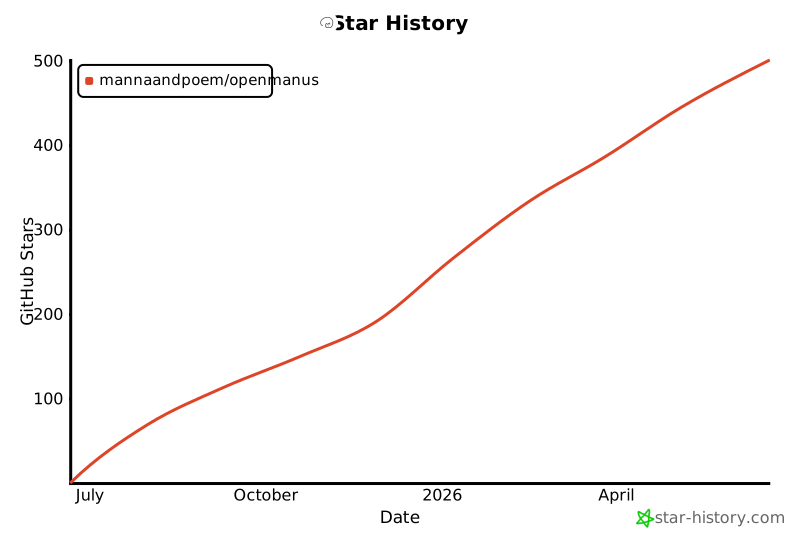](https://star-history.com/#mannaandpoem/OpenManus&Date)
|
||||
|
||||
## Acknowledgement
|
||||
|
||||
Thanks to [anthropic-computer-use](https://github.com/anthropics/anthropic-quickstarts/tree/main/computer-use-demo)
|
||||
and [browser-use](https://github.com/browser-use/browser-use) for providing basic support for this project!
|
||||
|
||||
Additionally, we are grateful to [AAAJ](https://github.com/metauto-ai/agent-as-a-judge), [MetaGPT](https://github.com/geekan/MetaGPT), [OpenHands](https://github.com/All-Hands-AI/OpenHands) and [SWE-agent](https://github.com/SWE-agent/SWE-agent).
|
||||
|
||||
OpenManus is built by contributors from MetaGPT. Huge thanks to this agent community!
|
||||
|
||||
## Cite
|
||||
```bibtex
|
||||
@misc{openmanus2025,
|
||||
author = {Xinbin Liang and Jinyu Xiang and Zhaoyang Yu and Jiayi Zhang and Sirui Hong},
|
||||
title = {OpenManus: An open-source framework for building general AI agents},
|
||||
year = {2025},
|
||||
publisher = {GitHub},
|
||||
journal = {GitHub repository},
|
||||
howpublished = {\url{https://github.com/mannaandpoem/OpenManus}},
|
||||
}
|
||||
```
|
||||
<p align="center">
|
||||
<img src="assets/logo.jpg" width="200"/>
|
||||
</p>
|
||||
|
||||
English | [中文](README_zh.md) | [한국어](README_ko.md) | [日本語](README_ja.md)
|
||||
|
||||
[](https://github.com/mannaandpoem/OpenManus/stargazers)
|
||||
 
|
||||
[](https://opensource.org/licenses/MIT)  
|
||||
[](https://discord.gg/DYn29wFk9z)
|
||||
[](https://huggingface.co/spaces/lyh-917/OpenManusDemo)
|
||||
|
||||
# 👋 OpenManus
|
||||
|
||||
Manus is incredible, but OpenManus can achieve any idea without an *Invite Code* 🛫!
|
||||
|
||||
Our team members [@Xinbin Liang](https://github.com/mannaandpoem) and [@Jinyu Xiang](https://github.com/XiangJinyu) (core authors), along with [@Zhaoyang Yu](https://github.com/MoshiQAQ), [@Jiayi Zhang](https://github.com/didiforgithub), and [@Sirui Hong](https://github.com/stellaHSR), we are from [@MetaGPT](https://github.com/geekan/MetaGPT). The prototype is launched within 3 hours and we are keeping building!
|
||||
|
||||
It's a simple implementation, so we welcome any suggestions, contributions, and feedback!
|
||||
|
||||
Enjoy your own agent with OpenManus!
|
||||
|
||||
We're also excited to introduce [OpenManus-RL](https://github.com/OpenManus/OpenManus-RL), an open-source project dedicated to reinforcement learning (RL)- based (such as GRPO) tuning methods for LLM agents, developed collaboratively by researchers from UIUC and OpenManus.
|
||||
|
||||
## Project Demo
|
||||
|
||||
<video src="https://private-user-images.githubusercontent.com/61239030/420168772-6dcfd0d2-9142-45d9-b74e-d10aa75073c6.mp4?jwt=eyJhbGciOiJIUzI1NiIsInR5cCI6IkpXVCJ9.eyJpc3MiOiJnaXRodWIuY29tIiwiYXVkIjoicmF3LmdpdGh1YnVzZXJjb250ZW50LmNvbSIsImtleSI6ImtleTUiLCJleHAiOjE3NDEzMTgwNTksIm5iZiI6MTc0MTMxNzc1OSwicGF0aCI6Ii82MTIzOTAzMC80MjAxNjg3NzItNmRjZmQwZDItOTE0Mi00NWQ5LWI3NGUtZDEwYWE3NTA3M2M2Lm1wND9YLUFtei1BbGdvcml0aG09QVdTNC1ITUFDLVNIQTI1NiZYLUFtei1DcmVkZW50aWFsPUFLSUFWQ09EWUxTQTUzUFFLNFpBJTJGMjAyNTAzMDclMkZ1cy1lYXN0LTElMkZzMyUyRmF3czRfcmVxdWVzdCZYLUFtei1EYXRlPTIwMjUwMzA3VDAzMjIzOVomWC1BbXotRXhwaXJlcz0zMDAmWC1BbXotU2lnbmF0dXJlPTdiZjFkNjlmYWNjMmEzOTliM2Y3M2VlYjgyNDRlZDJmOWE3NWZhZjE1MzhiZWY4YmQ3NjdkNTYwYTU5ZDA2MzYmWC1BbXotU2lnbmVkSGVhZGVycz1ob3N0In0.UuHQCgWYkh0OQq9qsUWqGsUbhG3i9jcZDAMeHjLt5T4" data-canonical-src="https://private-user-images.githubusercontent.com/61239030/420168772-6dcfd0d2-9142-45d9-b74e-d10aa75073c6.mp4?jwt=eyJhbGciOiJIUzI1NiIsInR5cCI6IkpXVCJ9.eyJpc3MiOiJnaXRodWIuY29tIiwiYXVkIjoicmF3LmdpdGh1YnVzZXJjb250ZW50LmNvbSIsImtleSI6ImtleTUiLCJleHAiOjE3NDEzMTgwNTksIm5iZiI6MTc0MTMxNzc1OSwicGF0aCI6Ii82MTIzOTAzMC80MjAxNjg3NzItNmRjZmQwZDItOTE0Mi00NWQ5LWI3NGUtZDEwYWE3NTA3M2M2Lm1wND9YLUFtei1BbGdvcml0aG09QVdTNC1ITUFDLVNIQTI1NiZYLUFtei1DcmVkZW50aWFsPUFLSUFWQ09EWUxTQTUzUFFLNFpBJTJGMjAyNTAzMDclMkZ1cy1lYXN0LTElMkZzMyUyRmF3czRfcmVxdWVzdCZYLUFtei1EYXRlPTIwMjUwMzA3VDAzMjIzOVomWC1BbXotRXhwaXJlcz0zMDAmWC1BbXotU2lnbmF0dXJlPTdiZjFkNjlmYWNjMmEzOTliM2Y3M2VlYjgyNDRlZDJmOWE3NWZhZjE1MzhiZWY4YmQ3NjdkNTYwYTU5ZDA2MzYmWC1BbXotU2lnbmVkSGVhZGVycz1ob3N0In0.UuHQCgWYkh0OQq9qsUWqGsUbhG3i9jcZDAMeHjLt5T4" controls="controls" muted="muted" class="d-block rounded-bottom-2 border-top width-fit" style="max-height:640px; min-height: 200px"></video>
|
||||
|
||||
## Installation
|
||||
|
||||
We provide two installation methods. Method 2 (using uv) is recommended for faster installation and better dependency management.
|
||||
|
||||
### Method 1: Using conda
|
||||
|
||||
1. Create a new conda environment:
|
||||
|
||||
```bash
|
||||
conda create -n open_manus python=3.12
|
||||
conda activate open_manus
|
||||
```
|
||||
|
||||
2. Clone the repository:
|
||||
|
||||
```bash
|
||||
git clone https://github.com/mannaandpoem/OpenManus.git
|
||||
cd OpenManus
|
||||
```
|
||||
|
||||
3. Install dependencies:
|
||||
|
||||
```bash
|
||||
pip install -r requirements.txt
|
||||
```
|
||||
|
||||
### Method 2: Using uv (Recommended)
|
||||
|
||||
1. Install uv (A fast Python package installer and resolver):
|
||||
|
||||
```bash
|
||||
curl -LsSf https://astral.sh/uv/install.sh | sh
|
||||
```
|
||||
|
||||
2. Clone the repository:
|
||||
|
||||
```bash
|
||||
git clone https://github.com/mannaandpoem/OpenManus.git
|
||||
cd OpenManus
|
||||
```
|
||||
|
||||
3. Create a new virtual environment and activate it:
|
||||
|
||||
```bash
|
||||
uv venv --python 3.12
|
||||
source .venv/bin/activate # On Unix/macOS
|
||||
# Or on Windows:
|
||||
# .venv\Scripts\activate
|
||||
```
|
||||
|
||||
4. Install dependencies:
|
||||
|
||||
```bash
|
||||
uv pip install -r requirements.txt
|
||||
```
|
||||
|
||||
### Browser Automation Tool (Optional)
|
||||
```bash
|
||||
playwright install
|
||||
```
|
||||
|
||||
## Configuration
|
||||
|
||||
OpenManus requires configuration for the LLM APIs it uses. Follow these steps to set up your configuration:
|
||||
|
||||
1. Create a `config.toml` file in the `config` directory (you can copy from the example):
|
||||
|
||||
```bash
|
||||
cp config/config.example.toml config/config.toml
|
||||
```
|
||||
|
||||
2. Edit `config/config.toml` to add your API keys and customize settings:
|
||||
|
||||
```toml
|
||||
# Global LLM configuration
|
||||
[llm]
|
||||
model = "gpt-4o"
|
||||
base_url = "https://api.openai.com/v1"
|
||||
api_key = "sk-..." # Replace with your actual API key
|
||||
max_tokens = 4096
|
||||
temperature = 0.0
|
||||
|
||||
# Optional configuration for specific LLM models
|
||||
[llm.vision]
|
||||
model = "gpt-4o"
|
||||
base_url = "https://api.openai.com/v1"
|
||||
api_key = "sk-..." # Replace with your actual API key
|
||||
```
|
||||
|
||||
## Quick Start
|
||||
|
||||
One line for run OpenManus:
|
||||
|
||||
```bash
|
||||
python main.py
|
||||
```
|
||||
|
||||
Then input your idea via terminal!
|
||||
|
||||
For MCP tool version, you can run:
|
||||
```bash
|
||||
python run_mcp.py
|
||||
```
|
||||
|
||||
For unstable multi-agent version, you also can run:
|
||||
|
||||
```bash
|
||||
python run_flow.py
|
||||
```
|
||||
|
||||
## How to contribute
|
||||
|
||||
We welcome any friendly suggestions and helpful contributions! Just create issues or submit pull requests.
|
||||
|
||||
Or contact @mannaandpoem via 📧email: mannaandpoem@gmail.com
|
||||
|
||||
**Note**: Before submitting a pull request, please use the pre-commit tool to check your changes. Run `pre-commit run --all-files` to execute the checks.
|
||||
|
||||
## Community Group
|
||||
Join our networking group on Feishu and share your experience with other developers!
|
||||
|
||||
<div align="center" style="display: flex; gap: 20px;">
|
||||
<img src="assets/community_group.jpg" alt="OpenManus 交流群" width="300" />
|
||||
</div>
|
||||
|
||||
## Star History
|
||||
|
||||
[](https://star-history.com/#mannaandpoem/OpenManus&Date)
|
||||
|
||||
## Acknowledgement
|
||||
|
||||
Thanks to [anthropic-computer-use](https://github.com/anthropics/anthropic-quickstarts/tree/main/computer-use-demo)
|
||||
and [browser-use](https://github.com/browser-use/browser-use) for providing basic support for this project!
|
||||
|
||||
Additionally, we are grateful to [AAAJ](https://github.com/metauto-ai/agent-as-a-judge), [MetaGPT](https://github.com/geekan/MetaGPT), [OpenHands](https://github.com/All-Hands-AI/OpenHands) and [SWE-agent](https://github.com/SWE-agent/SWE-agent).
|
||||
|
||||
We also thank stepfun(阶跃星辰) for supporting our Hugging Face demo space.
|
||||
|
||||
OpenManus is built by contributors from MetaGPT. Huge thanks to this agent community!
|
||||
|
||||
## Cite
|
||||
```bibtex
|
||||
@misc{openmanus2025,
|
||||
author = {Xinbin Liang and Jinyu Xiang and Zhaoyang Yu and Jiayi Zhang and Sirui Hong},
|
||||
title = {OpenManus: An open-source framework for building general AI agents},
|
||||
year = {2025},
|
||||
publisher = {GitHub},
|
||||
journal = {GitHub repository},
|
||||
howpublished = {\url{https://github.com/mannaandpoem/OpenManus}},
|
||||
}
|
||||
```
|
||||
|
||||
@@ -8,6 +8,7 @@
|
||||
 
|
||||
[](https://opensource.org/licenses/MIT)  
|
||||
[](https://discord.gg/DYn29wFk9z)
|
||||
[](https://huggingface.co/spaces/lyh-917/OpenManusDemo)
|
||||
|
||||
# 👋 OpenManus
|
||||
|
||||
@@ -161,6 +162,8 @@ Feishuのネットワーキンググループに参加して、他の開発者
|
||||
|
||||
さらに、[AAAJ](https://github.com/metauto-ai/agent-as-a-judge)、[MetaGPT](https://github.com/geekan/MetaGPT)、[OpenHands](https://github.com/All-Hands-AI/OpenHands)、[SWE-agent](https://github.com/SWE-agent/SWE-agent)にも感謝します。
|
||||
|
||||
また、Hugging Face デモスペースをサポートしてくださった阶跃星辰 (stepfun)にも感謝いたします。
|
||||
|
||||
OpenManusはMetaGPTのコントリビューターによって構築されました。このエージェントコミュニティに大きな感謝を!
|
||||
|
||||
## 引用
|
||||
|
||||
@@ -8,6 +8,7 @@
|
||||
 
|
||||
[](https://opensource.org/licenses/MIT)  
|
||||
[](https://discord.gg/DYn29wFk9z)
|
||||
[](https://huggingface.co/spaces/lyh-917/OpenManusDemo)
|
||||
|
||||
# 👋 OpenManus
|
||||
|
||||
@@ -161,6 +162,8 @@ Feishu 네트워킹 그룹에 참여하여 다른 개발자들과 경험을 공
|
||||
|
||||
또한, [AAAJ](https://github.com/metauto-ai/agent-as-a-judge), [MetaGPT](https://github.com/geekan/MetaGPT), [OpenHands](https://github.com/All-Hands-AI/OpenHands), [SWE-agent](https://github.com/SWE-agent/SWE-agent)에 깊은 감사를 드립니다.
|
||||
|
||||
또한 Hugging Face 데모 공간을 지원해 주신 阶跃星辰 (stepfun)에게 감사드립니다.
|
||||
|
||||
OpenManus는 MetaGPT 기여자들에 의해 개발되었습니다. 이 에이전트 커뮤니티에 깊은 감사를 전합니다!
|
||||
|
||||
## 인용
|
||||
|
||||
@@ -8,6 +8,7 @@
|
||||
 
|
||||
[](https://opensource.org/licenses/MIT)  
|
||||
[](https://discord.gg/DYn29wFk9z)
|
||||
[](https://huggingface.co/spaces/lyh-917/OpenManusDemo)
|
||||
|
||||
# 👋 OpenManus
|
||||
|
||||
@@ -163,6 +164,8 @@ python run_flow.py
|
||||
|
||||
此外,我们感谢 [AAAJ](https://github.com/metauto-ai/agent-as-a-judge),[MetaGPT](https://github.com/geekan/MetaGPT),[OpenHands](https://github.com/All-Hands-AI/OpenHands) 和 [SWE-agent](https://github.com/SWE-agent/SWE-agent).
|
||||
|
||||
我们也感谢阶跃星辰 (stepfun) 提供的 Hugging Face 演示空间支持。
|
||||
|
||||
OpenManus 由 MetaGPT 社区的贡献者共同构建,感谢这个充满活力的智能体开发者社区!
|
||||
|
||||
## 引用我们
|
||||
|
||||
@@ -1,7 +1,6 @@
|
||||
from app.agent.base import BaseAgent
|
||||
from app.agent.browser import BrowserAgent
|
||||
from app.agent.mcp import MCPAgent
|
||||
from app.agent.planning import PlanningAgent
|
||||
from app.agent.react import ReActAgent
|
||||
from app.agent.swe import SWEAgent
|
||||
from app.agent.toolcall import ToolCallAgent
|
||||
@@ -10,7 +9,6 @@ from app.agent.toolcall import ToolCallAgent
|
||||
__all__ = [
|
||||
"BaseAgent",
|
||||
"BrowserAgent",
|
||||
"PlanningAgent",
|
||||
"ReActAgent",
|
||||
"SWEAgent",
|
||||
"ToolCallAgent",
|
||||
|
||||
+82
-87
@@ -1,7 +1,7 @@
|
||||
import json
|
||||
from typing import Any, Optional
|
||||
from typing import TYPE_CHECKING, Optional
|
||||
|
||||
from pydantic import Field
|
||||
from pydantic import Field, model_validator
|
||||
|
||||
from app.agent.toolcall import ToolCallAgent
|
||||
from app.logger import logger
|
||||
@@ -10,6 +10,75 @@ from app.schema import Message, ToolChoice
|
||||
from app.tool import BrowserUseTool, Terminate, ToolCollection
|
||||
|
||||
|
||||
# Avoid circular import if BrowserAgent needs BrowserContextHelper
|
||||
if TYPE_CHECKING:
|
||||
from app.agent.base import BaseAgent # Or wherever memory is defined
|
||||
|
||||
|
||||
class BrowserContextHelper:
|
||||
def __init__(self, agent: "BaseAgent"):
|
||||
self.agent = agent
|
||||
self._current_base64_image: Optional[str] = None
|
||||
|
||||
async def get_browser_state(self) -> Optional[dict]:
|
||||
browser_tool = self.agent.available_tools.get_tool(BrowserUseTool().name)
|
||||
if not browser_tool or not hasattr(browser_tool, "get_current_state"):
|
||||
logger.warning("BrowserUseTool not found or doesn't have get_current_state")
|
||||
return None
|
||||
try:
|
||||
result = await browser_tool.get_current_state()
|
||||
if result.error:
|
||||
logger.debug(f"Browser state error: {result.error}")
|
||||
return None
|
||||
if hasattr(result, "base64_image") and result.base64_image:
|
||||
self._current_base64_image = result.base64_image
|
||||
else:
|
||||
self._current_base64_image = None
|
||||
return json.loads(result.output)
|
||||
except Exception as e:
|
||||
logger.debug(f"Failed to get browser state: {str(e)}")
|
||||
return None
|
||||
|
||||
async def format_next_step_prompt(self) -> str:
|
||||
"""Gets browser state and formats the browser prompt."""
|
||||
browser_state = await self.get_browser_state()
|
||||
url_info, tabs_info, content_above_info, content_below_info = "", "", "", ""
|
||||
results_info = "" # Or get from agent if needed elsewhere
|
||||
|
||||
if browser_state and not browser_state.get("error"):
|
||||
url_info = f"\n URL: {browser_state.get('url', 'N/A')}\n Title: {browser_state.get('title', 'N/A')}"
|
||||
tabs = browser_state.get("tabs", [])
|
||||
if tabs:
|
||||
tabs_info = f"\n {len(tabs)} tab(s) available"
|
||||
pixels_above = browser_state.get("pixels_above", 0)
|
||||
pixels_below = browser_state.get("pixels_below", 0)
|
||||
if pixels_above > 0:
|
||||
content_above_info = f" ({pixels_above} pixels)"
|
||||
if pixels_below > 0:
|
||||
content_below_info = f" ({pixels_below} pixels)"
|
||||
|
||||
if self._current_base64_image:
|
||||
image_message = Message.user_message(
|
||||
content="Current browser screenshot:",
|
||||
base64_image=self._current_base64_image,
|
||||
)
|
||||
self.agent.memory.add_message(image_message)
|
||||
self._current_base64_image = None # Consume the image after adding
|
||||
|
||||
return NEXT_STEP_PROMPT.format(
|
||||
url_placeholder=url_info,
|
||||
tabs_placeholder=tabs_info,
|
||||
content_above_placeholder=content_above_info,
|
||||
content_below_placeholder=content_below_info,
|
||||
results_placeholder=results_info,
|
||||
)
|
||||
|
||||
async def cleanup_browser(self):
|
||||
browser_tool = self.agent.available_tools.get_tool(BrowserUseTool().name)
|
||||
if browser_tool and hasattr(browser_tool, "cleanup"):
|
||||
await browser_tool.cleanup()
|
||||
|
||||
|
||||
class BrowserAgent(ToolCallAgent):
|
||||
"""
|
||||
A browser agent that uses the browser_use library to control a browser.
|
||||
@@ -36,94 +105,20 @@ class BrowserAgent(ToolCallAgent):
|
||||
tool_choices: ToolChoice = ToolChoice.AUTO
|
||||
special_tool_names: list[str] = Field(default_factory=lambda: [Terminate().name])
|
||||
|
||||
_current_base64_image: Optional[str] = None
|
||||
browser_context_helper: Optional[BrowserContextHelper] = None
|
||||
|
||||
async def _handle_special_tool(self, name: str, result: Any, **kwargs):
|
||||
if not self._is_special_tool(name):
|
||||
return
|
||||
else:
|
||||
await self.available_tools.get_tool(BrowserUseTool().name).cleanup()
|
||||
await super()._handle_special_tool(name, result, **kwargs)
|
||||
|
||||
async def get_browser_state(self) -> Optional[dict]:
|
||||
"""Get the current browser state for context in next steps."""
|
||||
browser_tool = self.available_tools.get_tool(BrowserUseTool().name)
|
||||
if not browser_tool:
|
||||
return None
|
||||
|
||||
try:
|
||||
# Get browser state directly from the tool
|
||||
result = await browser_tool.get_current_state()
|
||||
|
||||
if result.error:
|
||||
logger.debug(f"Browser state error: {result.error}")
|
||||
return None
|
||||
|
||||
# Store screenshot if available
|
||||
if hasattr(result, "base64_image") and result.base64_image:
|
||||
self._current_base64_image = result.base64_image
|
||||
|
||||
# Parse the state info
|
||||
return json.loads(result.output)
|
||||
|
||||
except Exception as e:
|
||||
logger.debug(f"Failed to get browser state: {str(e)}")
|
||||
return None
|
||||
@model_validator(mode="after")
|
||||
def initialize_helper(self) -> "BrowserAgent":
|
||||
self.browser_context_helper = BrowserContextHelper(self)
|
||||
return self
|
||||
|
||||
async def think(self) -> bool:
|
||||
"""Process current state and decide next actions using tools, with browser state info added"""
|
||||
# Add browser state to the context
|
||||
browser_state = await self.get_browser_state()
|
||||
|
||||
# Initialize placeholder values
|
||||
url_info = ""
|
||||
tabs_info = ""
|
||||
content_above_info = ""
|
||||
content_below_info = ""
|
||||
results_info = ""
|
||||
|
||||
if browser_state and not browser_state.get("error"):
|
||||
# URL and title info
|
||||
url_info = f"\n URL: {browser_state.get('url', 'N/A')}\n Title: {browser_state.get('title', 'N/A')}"
|
||||
|
||||
# Tab information
|
||||
if "tabs" in browser_state:
|
||||
tabs = browser_state.get("tabs", [])
|
||||
if tabs:
|
||||
tabs_info = f"\n {len(tabs)} tab(s) available"
|
||||
|
||||
# Content above/below viewport
|
||||
pixels_above = browser_state.get("pixels_above", 0)
|
||||
pixels_below = browser_state.get("pixels_below", 0)
|
||||
|
||||
if pixels_above > 0:
|
||||
content_above_info = f" ({pixels_above} pixels)"
|
||||
|
||||
if pixels_below > 0:
|
||||
content_below_info = f" ({pixels_below} pixels)"
|
||||
|
||||
# Add screenshot as base64 if available
|
||||
if self._current_base64_image:
|
||||
# Create a message with image attachment
|
||||
image_message = Message.user_message(
|
||||
content="Current browser screenshot:",
|
||||
base64_image=self._current_base64_image,
|
||||
)
|
||||
self.memory.add_message(image_message)
|
||||
|
||||
# Replace placeholders with actual browser state info
|
||||
self.next_step_prompt = NEXT_STEP_PROMPT.format(
|
||||
url_placeholder=url_info,
|
||||
tabs_placeholder=tabs_info,
|
||||
content_above_placeholder=content_above_info,
|
||||
content_below_placeholder=content_below_info,
|
||||
results_placeholder=results_info,
|
||||
self.next_step_prompt = (
|
||||
await self.browser_context_helper.format_next_step_prompt()
|
||||
)
|
||||
return await super().think()
|
||||
|
||||
# Call parent implementation
|
||||
result = await super().think()
|
||||
|
||||
# Reset the next_step_prompt to its original state
|
||||
self.next_step_prompt = NEXT_STEP_PROMPT
|
||||
|
||||
return result
|
||||
async def cleanup(self):
|
||||
"""Clean up browser agent resources by calling parent cleanup."""
|
||||
await self.browser_context_helper.cleanup_browser()
|
||||
|
||||
+27
-19
@@ -1,8 +1,10 @@
|
||||
from pydantic import Field
|
||||
from typing import Optional
|
||||
|
||||
from app.agent.browser import BrowserAgent
|
||||
from pydantic import Field, model_validator
|
||||
|
||||
from app.agent.browser import BrowserContextHelper
|
||||
from app.agent.toolcall import ToolCallAgent
|
||||
from app.config import config
|
||||
from app.prompt.browser import NEXT_STEP_PROMPT as BROWSER_NEXT_STEP_PROMPT
|
||||
from app.prompt.manus import NEXT_STEP_PROMPT, SYSTEM_PROMPT
|
||||
from app.tool import Terminate, ToolCollection
|
||||
from app.tool.browser_use_tool import BrowserUseTool
|
||||
@@ -10,14 +12,8 @@ from app.tool.python_execute import PythonExecute
|
||||
from app.tool.str_replace_editor import StrReplaceEditor
|
||||
|
||||
|
||||
class Manus(BrowserAgent):
|
||||
"""
|
||||
A versatile general-purpose agent that uses planning to solve various tasks.
|
||||
|
||||
This agent extends BrowserAgent with a comprehensive set of tools and capabilities,
|
||||
including Python execution, web browsing, file operations, and information retrieval
|
||||
to handle a wide range of user requests.
|
||||
"""
|
||||
class Manus(ToolCallAgent):
|
||||
"""A versatile general-purpose agent."""
|
||||
|
||||
name: str = "Manus"
|
||||
description: str = (
|
||||
@@ -37,27 +33,39 @@ class Manus(BrowserAgent):
|
||||
)
|
||||
)
|
||||
|
||||
special_tool_names: list[str] = Field(default_factory=lambda: [Terminate().name])
|
||||
|
||||
browser_context_helper: Optional[BrowserContextHelper] = None
|
||||
|
||||
@model_validator(mode="after")
|
||||
def initialize_helper(self) -> "Manus":
|
||||
self.browser_context_helper = BrowserContextHelper(self)
|
||||
return self
|
||||
|
||||
async def think(self) -> bool:
|
||||
"""Process current state and decide next actions with appropriate context."""
|
||||
# Store original prompt
|
||||
original_prompt = self.next_step_prompt
|
||||
|
||||
# Only check recent messages (last 3) for browser activity
|
||||
recent_messages = self.memory.messages[-3:] if self.memory.messages else []
|
||||
browser_in_use = any(
|
||||
"browser_use" in msg.content.lower()
|
||||
tc.function.name == BrowserUseTool().name
|
||||
for msg in recent_messages
|
||||
if hasattr(msg, "content") and isinstance(msg.content, str)
|
||||
if msg.tool_calls
|
||||
for tc in msg.tool_calls
|
||||
)
|
||||
|
||||
if browser_in_use:
|
||||
# Override with browser-specific prompt temporarily to get browser context
|
||||
self.next_step_prompt = BROWSER_NEXT_STEP_PROMPT
|
||||
self.next_step_prompt = (
|
||||
await self.browser_context_helper.format_next_step_prompt()
|
||||
)
|
||||
|
||||
# Call parent's think method
|
||||
result = await super().think()
|
||||
|
||||
# Restore original prompt
|
||||
self.next_step_prompt = original_prompt
|
||||
|
||||
return result
|
||||
|
||||
async def cleanup(self):
|
||||
"""Clean up Manus agent resources."""
|
||||
if self.browser_context_helper:
|
||||
await self.browser_context_helper.cleanup_browser()
|
||||
|
||||
@@ -1,259 +0,0 @@
|
||||
import time
|
||||
from typing import Dict, List, Optional
|
||||
|
||||
from pydantic import Field, model_validator
|
||||
|
||||
from app.agent.toolcall import ToolCallAgent
|
||||
from app.logger import logger
|
||||
from app.prompt.planning import NEXT_STEP_PROMPT, PLANNING_SYSTEM_PROMPT
|
||||
from app.schema import TOOL_CHOICE_TYPE, Message, ToolCall, ToolChoice
|
||||
from app.tool import PlanningTool, Terminate, ToolCollection
|
||||
|
||||
|
||||
class PlanningAgent(ToolCallAgent):
|
||||
"""
|
||||
An agent that creates and manages plans to solve tasks.
|
||||
|
||||
This agent uses a planning tool to create and manage structured plans,
|
||||
and tracks progress through individual steps until task completion.
|
||||
"""
|
||||
|
||||
name: str = "planning"
|
||||
description: str = "An agent that creates and manages plans to solve tasks"
|
||||
|
||||
system_prompt: str = PLANNING_SYSTEM_PROMPT
|
||||
next_step_prompt: str = NEXT_STEP_PROMPT
|
||||
|
||||
available_tools: ToolCollection = Field(
|
||||
default_factory=lambda: ToolCollection(PlanningTool(), Terminate())
|
||||
)
|
||||
tool_choices: TOOL_CHOICE_TYPE = ToolChoice.AUTO # type: ignore
|
||||
special_tool_names: List[str] = Field(default_factory=lambda: [Terminate().name])
|
||||
|
||||
tool_calls: List[ToolCall] = Field(default_factory=list)
|
||||
active_plan_id: Optional[str] = Field(default=None)
|
||||
|
||||
# Add a dictionary to track the step status for each tool call
|
||||
step_execution_tracker: Dict[str, Dict] = Field(default_factory=dict)
|
||||
current_step_index: Optional[int] = None
|
||||
|
||||
max_steps: int = 20
|
||||
|
||||
@model_validator(mode="after")
|
||||
def initialize_plan_and_verify_tools(self) -> "PlanningAgent":
|
||||
"""Initialize the agent with a default plan ID and validate required tools."""
|
||||
self.active_plan_id = f"plan_{int(time.time())}"
|
||||
|
||||
if "planning" not in self.available_tools.tool_map:
|
||||
self.available_tools.add_tool(PlanningTool())
|
||||
|
||||
return self
|
||||
|
||||
async def think(self) -> bool:
|
||||
"""Decide the next action based on plan status."""
|
||||
prompt = (
|
||||
f"CURRENT PLAN STATUS:\n{await self.get_plan()}\n\n{self.next_step_prompt}"
|
||||
if self.active_plan_id
|
||||
else self.next_step_prompt
|
||||
)
|
||||
self.messages.append(Message.user_message(prompt))
|
||||
|
||||
# Get the current step index before thinking
|
||||
self.current_step_index = await self._get_current_step_index()
|
||||
|
||||
result = await super().think()
|
||||
|
||||
# After thinking, if we decided to execute a tool and it's not a planning tool or special tool,
|
||||
# associate it with the current step for tracking
|
||||
if result and self.tool_calls:
|
||||
latest_tool_call = self.tool_calls[0] # Get the most recent tool call
|
||||
if (
|
||||
latest_tool_call.function.name != "planning"
|
||||
and latest_tool_call.function.name not in self.special_tool_names
|
||||
and self.current_step_index is not None
|
||||
):
|
||||
self.step_execution_tracker[latest_tool_call.id] = {
|
||||
"step_index": self.current_step_index,
|
||||
"tool_name": latest_tool_call.function.name,
|
||||
"status": "pending", # Will be updated after execution
|
||||
}
|
||||
|
||||
return result
|
||||
|
||||
async def act(self) -> str:
|
||||
"""Execute a step and track its completion status."""
|
||||
result = await super().act()
|
||||
|
||||
# After executing the tool, update the plan status
|
||||
if self.tool_calls:
|
||||
latest_tool_call = self.tool_calls[0]
|
||||
|
||||
# Update the execution status to completed
|
||||
if latest_tool_call.id in self.step_execution_tracker:
|
||||
self.step_execution_tracker[latest_tool_call.id]["status"] = "completed"
|
||||
self.step_execution_tracker[latest_tool_call.id]["result"] = result
|
||||
|
||||
# Update the plan status if this was a non-planning, non-special tool
|
||||
if (
|
||||
latest_tool_call.function.name != "planning"
|
||||
and latest_tool_call.function.name not in self.special_tool_names
|
||||
):
|
||||
await self.update_plan_status(latest_tool_call.id)
|
||||
|
||||
return result
|
||||
|
||||
async def get_plan(self) -> str:
|
||||
"""Retrieve the current plan status."""
|
||||
if not self.active_plan_id:
|
||||
return "No active plan. Please create a plan first."
|
||||
|
||||
result = await self.available_tools.execute(
|
||||
name="planning",
|
||||
tool_input={"command": "get", "plan_id": self.active_plan_id},
|
||||
)
|
||||
return result.output if hasattr(result, "output") else str(result)
|
||||
|
||||
async def run(self, request: Optional[str] = None) -> str:
|
||||
"""Run the agent with an optional initial request."""
|
||||
if request:
|
||||
await self.create_initial_plan(request)
|
||||
return await super().run()
|
||||
|
||||
async def update_plan_status(self, tool_call_id: str) -> None:
|
||||
"""
|
||||
Update the current plan progress based on completed tool execution.
|
||||
Only marks a step as completed if the associated tool has been successfully executed.
|
||||
"""
|
||||
if not self.active_plan_id:
|
||||
return
|
||||
|
||||
if tool_call_id not in self.step_execution_tracker:
|
||||
logger.warning(f"No step tracking found for tool call {tool_call_id}")
|
||||
return
|
||||
|
||||
tracker = self.step_execution_tracker[tool_call_id]
|
||||
if tracker["status"] != "completed":
|
||||
logger.warning(f"Tool call {tool_call_id} has not completed successfully")
|
||||
return
|
||||
|
||||
step_index = tracker["step_index"]
|
||||
|
||||
try:
|
||||
# Mark the step as completed
|
||||
await self.available_tools.execute(
|
||||
name="planning",
|
||||
tool_input={
|
||||
"command": "mark_step",
|
||||
"plan_id": self.active_plan_id,
|
||||
"step_index": step_index,
|
||||
"step_status": "completed",
|
||||
},
|
||||
)
|
||||
logger.info(
|
||||
f"Marked step {step_index} as completed in plan {self.active_plan_id}"
|
||||
)
|
||||
except Exception as e:
|
||||
logger.warning(f"Failed to update plan status: {e}")
|
||||
|
||||
async def _get_current_step_index(self) -> Optional[int]:
|
||||
"""
|
||||
Parse the current plan to identify the first non-completed step's index.
|
||||
Returns None if no active step is found.
|
||||
"""
|
||||
if not self.active_plan_id:
|
||||
return None
|
||||
|
||||
plan = await self.get_plan()
|
||||
|
||||
try:
|
||||
plan_lines = plan.splitlines()
|
||||
steps_index = -1
|
||||
|
||||
# Find the index of the "Steps:" line
|
||||
for i, line in enumerate(plan_lines):
|
||||
if line.strip() == "Steps:":
|
||||
steps_index = i
|
||||
break
|
||||
|
||||
if steps_index == -1:
|
||||
return None
|
||||
|
||||
# Find the first non-completed step
|
||||
for i, line in enumerate(plan_lines[steps_index + 1 :], start=0):
|
||||
if "[ ]" in line or "[→]" in line: # not_started or in_progress
|
||||
# Mark current step as in_progress
|
||||
await self.available_tools.execute(
|
||||
name="planning",
|
||||
tool_input={
|
||||
"command": "mark_step",
|
||||
"plan_id": self.active_plan_id,
|
||||
"step_index": i,
|
||||
"step_status": "in_progress",
|
||||
},
|
||||
)
|
||||
return i
|
||||
|
||||
return None # No active step found
|
||||
except Exception as e:
|
||||
logger.warning(f"Error finding current step index: {e}")
|
||||
return None
|
||||
|
||||
async def create_initial_plan(self, request: str) -> None:
|
||||
"""Create an initial plan based on the request."""
|
||||
logger.info(f"Creating initial plan with ID: {self.active_plan_id}")
|
||||
|
||||
messages = [
|
||||
Message.user_message(
|
||||
f"Analyze the request and create a plan with ID {self.active_plan_id}: {request}"
|
||||
)
|
||||
]
|
||||
self.memory.add_messages(messages)
|
||||
response = await self.llm.ask_tool(
|
||||
messages=messages,
|
||||
system_msgs=[Message.system_message(self.system_prompt)],
|
||||
tools=self.available_tools.to_params(),
|
||||
tool_choice=ToolChoice.AUTO,
|
||||
)
|
||||
assistant_msg = Message.from_tool_calls(
|
||||
content=response.content, tool_calls=response.tool_calls
|
||||
)
|
||||
|
||||
self.memory.add_message(assistant_msg)
|
||||
|
||||
plan_created = False
|
||||
for tool_call in response.tool_calls:
|
||||
if tool_call.function.name == "planning":
|
||||
result = await self.execute_tool(tool_call)
|
||||
logger.info(
|
||||
f"Executed tool {tool_call.function.name} with result: {result}"
|
||||
)
|
||||
|
||||
# Add tool response to memory
|
||||
tool_msg = Message.tool_message(
|
||||
content=result,
|
||||
tool_call_id=tool_call.id,
|
||||
name=tool_call.function.name,
|
||||
)
|
||||
self.memory.add_message(tool_msg)
|
||||
plan_created = True
|
||||
break
|
||||
|
||||
if not plan_created:
|
||||
logger.warning("No plan created from initial request")
|
||||
tool_msg = Message.assistant_message(
|
||||
"Error: Parameter `plan_id` is required for command: create"
|
||||
)
|
||||
self.memory.add_message(tool_msg)
|
||||
|
||||
|
||||
async def main():
|
||||
# Configure and run the agent
|
||||
agent = PlanningAgent(available_tools=ToolCollection(PlanningTool(), Terminate()))
|
||||
result = await agent.run("Help me plan a trip to the moon")
|
||||
print(result)
|
||||
|
||||
|
||||
if __name__ == "__main__":
|
||||
import asyncio
|
||||
|
||||
asyncio.run(main())
|
||||
+3
-17
@@ -3,7 +3,7 @@ from typing import List
|
||||
from pydantic import Field
|
||||
|
||||
from app.agent.toolcall import ToolCallAgent
|
||||
from app.prompt.swe import NEXT_STEP_TEMPLATE, SYSTEM_PROMPT
|
||||
from app.prompt.swe import SYSTEM_PROMPT
|
||||
from app.tool import Bash, StrReplaceEditor, Terminate, ToolCollection
|
||||
|
||||
|
||||
@@ -14,25 +14,11 @@ class SWEAgent(ToolCallAgent):
|
||||
description: str = "an autonomous AI programmer that interacts directly with the computer to solve tasks."
|
||||
|
||||
system_prompt: str = SYSTEM_PROMPT
|
||||
next_step_prompt: str = NEXT_STEP_TEMPLATE
|
||||
next_step_prompt: str = ""
|
||||
|
||||
available_tools: ToolCollection = ToolCollection(
|
||||
Bash(), StrReplaceEditor(), Terminate()
|
||||
)
|
||||
special_tool_names: List[str] = Field(default_factory=lambda: [Terminate().name])
|
||||
|
||||
max_steps: int = 30
|
||||
|
||||
bash: Bash = Field(default_factory=Bash)
|
||||
working_dir: str = "."
|
||||
|
||||
async def think(self) -> bool:
|
||||
"""Process current state and decide next action"""
|
||||
# Update working directory
|
||||
result = await self.bash.execute("pwd")
|
||||
self.working_dir = result.output
|
||||
self.next_step_prompt = self.next_step_prompt.format(
|
||||
current_dir=self.working_dir
|
||||
)
|
||||
|
||||
return await super().think()
|
||||
max_steps: int = 20
|
||||
|
||||
@@ -1,3 +1,4 @@
|
||||
import asyncio
|
||||
import json
|
||||
from typing import Any, List, Optional, Union
|
||||
|
||||
@@ -232,3 +233,26 @@ class ToolCallAgent(ReActAgent):
|
||||
def _is_special_tool(self, name: str) -> bool:
|
||||
"""Check if tool name is in special tools list"""
|
||||
return name.lower() in [n.lower() for n in self.special_tool_names]
|
||||
|
||||
async def cleanup(self):
|
||||
"""Clean up resources used by the agent's tools."""
|
||||
logger.info(f"🧹 Cleaning up resources for agent '{self.name}'...")
|
||||
for tool_name, tool_instance in self.available_tools.tool_map.items():
|
||||
if hasattr(tool_instance, "cleanup") and asyncio.iscoroutinefunction(
|
||||
tool_instance.cleanup
|
||||
):
|
||||
try:
|
||||
logger.debug(f"🧼 Cleaning up tool: {tool_name}")
|
||||
await tool_instance.cleanup()
|
||||
except Exception as e:
|
||||
logger.error(
|
||||
f"🚨 Error cleaning up tool '{tool_name}': {e}", exc_info=True
|
||||
)
|
||||
logger.info(f"✨ Cleanup complete for agent '{self.name}'.")
|
||||
|
||||
async def run(self, request: Optional[str] = None) -> str:
|
||||
"""Run the agent with cleanup when done."""
|
||||
try:
|
||||
return await super().run(request)
|
||||
finally:
|
||||
await self.cleanup()
|
||||
|
||||
+334
@@ -0,0 +1,334 @@
|
||||
import json
|
||||
import sys
|
||||
import time
|
||||
import uuid
|
||||
from datetime import datetime
|
||||
from typing import Dict, List, Literal, Optional
|
||||
|
||||
import boto3
|
||||
|
||||
|
||||
# Global variables to track the current tool use ID across function calls
|
||||
# Tmp solution
|
||||
CURRENT_TOOLUSE_ID = None
|
||||
|
||||
|
||||
# Class to handle OpenAI-style response formatting
|
||||
class OpenAIResponse:
|
||||
def __init__(self, data):
|
||||
# Recursively convert nested dicts and lists to OpenAIResponse objects
|
||||
for key, value in data.items():
|
||||
if isinstance(value, dict):
|
||||
value = OpenAIResponse(value)
|
||||
elif isinstance(value, list):
|
||||
value = [
|
||||
OpenAIResponse(item) if isinstance(item, dict) else item
|
||||
for item in value
|
||||
]
|
||||
setattr(self, key, value)
|
||||
|
||||
def model_dump(self, *args, **kwargs):
|
||||
# Convert object to dict and add timestamp
|
||||
data = self.__dict__
|
||||
data["created_at"] = datetime.now().isoformat()
|
||||
return data
|
||||
|
||||
|
||||
# Main client class for interacting with Amazon Bedrock
|
||||
class BedrockClient:
|
||||
def __init__(self):
|
||||
# Initialize Bedrock client, you need to configure AWS env first
|
||||
try:
|
||||
self.client = boto3.client("bedrock-runtime")
|
||||
self.chat = Chat(self.client)
|
||||
except Exception as e:
|
||||
print(f"Error initializing Bedrock client: {e}")
|
||||
sys.exit(1)
|
||||
|
||||
|
||||
# Chat interface class
|
||||
class Chat:
|
||||
def __init__(self, client):
|
||||
self.completions = ChatCompletions(client)
|
||||
|
||||
|
||||
# Core class handling chat completions functionality
|
||||
class ChatCompletions:
|
||||
def __init__(self, client):
|
||||
self.client = client
|
||||
|
||||
def _convert_openai_tools_to_bedrock_format(self, tools):
|
||||
# Convert OpenAI function calling format to Bedrock tool format
|
||||
bedrock_tools = []
|
||||
for tool in tools:
|
||||
if tool.get("type") == "function":
|
||||
function = tool.get("function", {})
|
||||
bedrock_tool = {
|
||||
"toolSpec": {
|
||||
"name": function.get("name", ""),
|
||||
"description": function.get("description", ""),
|
||||
"inputSchema": {
|
||||
"json": {
|
||||
"type": "object",
|
||||
"properties": function.get("parameters", {}).get(
|
||||
"properties", {}
|
||||
),
|
||||
"required": function.get("parameters", {}).get(
|
||||
"required", []
|
||||
),
|
||||
}
|
||||
},
|
||||
}
|
||||
}
|
||||
bedrock_tools.append(bedrock_tool)
|
||||
return bedrock_tools
|
||||
|
||||
def _convert_openai_messages_to_bedrock_format(self, messages):
|
||||
# Convert OpenAI message format to Bedrock message format
|
||||
bedrock_messages = []
|
||||
system_prompt = []
|
||||
for message in messages:
|
||||
if message.get("role") == "system":
|
||||
system_prompt = [{"text": message.get("content")}]
|
||||
elif message.get("role") == "user":
|
||||
bedrock_message = {
|
||||
"role": message.get("role", "user"),
|
||||
"content": [{"text": message.get("content")}],
|
||||
}
|
||||
bedrock_messages.append(bedrock_message)
|
||||
elif message.get("role") == "assistant":
|
||||
bedrock_message = {
|
||||
"role": "assistant",
|
||||
"content": [{"text": message.get("content")}],
|
||||
}
|
||||
openai_tool_calls = message.get("tool_calls", [])
|
||||
if openai_tool_calls:
|
||||
bedrock_tool_use = {
|
||||
"toolUseId": openai_tool_calls[0]["id"],
|
||||
"name": openai_tool_calls[0]["function"]["name"],
|
||||
"input": json.loads(
|
||||
openai_tool_calls[0]["function"]["arguments"]
|
||||
),
|
||||
}
|
||||
bedrock_message["content"].append({"toolUse": bedrock_tool_use})
|
||||
global CURRENT_TOOLUSE_ID
|
||||
CURRENT_TOOLUSE_ID = openai_tool_calls[0]["id"]
|
||||
bedrock_messages.append(bedrock_message)
|
||||
elif message.get("role") == "tool":
|
||||
bedrock_message = {
|
||||
"role": "user",
|
||||
"content": [
|
||||
{
|
||||
"toolResult": {
|
||||
"toolUseId": CURRENT_TOOLUSE_ID,
|
||||
"content": [{"text": message.get("content")}],
|
||||
}
|
||||
}
|
||||
],
|
||||
}
|
||||
bedrock_messages.append(bedrock_message)
|
||||
else:
|
||||
raise ValueError(f"Invalid role: {message.get('role')}")
|
||||
return system_prompt, bedrock_messages
|
||||
|
||||
def _convert_bedrock_response_to_openai_format(self, bedrock_response):
|
||||
# Convert Bedrock response format to OpenAI format
|
||||
content = ""
|
||||
if bedrock_response.get("output", {}).get("message", {}).get("content"):
|
||||
content_array = bedrock_response["output"]["message"]["content"]
|
||||
content = "".join(item.get("text", "") for item in content_array)
|
||||
if content == "":
|
||||
content = "."
|
||||
|
||||
# Handle tool calls in response
|
||||
openai_tool_calls = []
|
||||
if bedrock_response.get("output", {}).get("message", {}).get("content"):
|
||||
for content_item in bedrock_response["output"]["message"]["content"]:
|
||||
if content_item.get("toolUse"):
|
||||
bedrock_tool_use = content_item["toolUse"]
|
||||
global CURRENT_TOOLUSE_ID
|
||||
CURRENT_TOOLUSE_ID = bedrock_tool_use["toolUseId"]
|
||||
openai_tool_call = {
|
||||
"id": CURRENT_TOOLUSE_ID,
|
||||
"type": "function",
|
||||
"function": {
|
||||
"name": bedrock_tool_use["name"],
|
||||
"arguments": json.dumps(bedrock_tool_use["input"]),
|
||||
},
|
||||
}
|
||||
openai_tool_calls.append(openai_tool_call)
|
||||
|
||||
# Construct final OpenAI format response
|
||||
openai_format = {
|
||||
"id": f"chatcmpl-{uuid.uuid4()}",
|
||||
"created": int(time.time()),
|
||||
"object": "chat.completion",
|
||||
"system_fingerprint": None,
|
||||
"choices": [
|
||||
{
|
||||
"finish_reason": bedrock_response.get("stopReason", "end_turn"),
|
||||
"index": 0,
|
||||
"message": {
|
||||
"content": content,
|
||||
"role": bedrock_response.get("output", {})
|
||||
.get("message", {})
|
||||
.get("role", "assistant"),
|
||||
"tool_calls": openai_tool_calls
|
||||
if openai_tool_calls != []
|
||||
else None,
|
||||
"function_call": None,
|
||||
},
|
||||
}
|
||||
],
|
||||
"usage": {
|
||||
"completion_tokens": bedrock_response.get("usage", {}).get(
|
||||
"outputTokens", 0
|
||||
),
|
||||
"prompt_tokens": bedrock_response.get("usage", {}).get(
|
||||
"inputTokens", 0
|
||||
),
|
||||
"total_tokens": bedrock_response.get("usage", {}).get("totalTokens", 0),
|
||||
},
|
||||
}
|
||||
return OpenAIResponse(openai_format)
|
||||
|
||||
async def _invoke_bedrock(
|
||||
self,
|
||||
model: str,
|
||||
messages: List[Dict[str, str]],
|
||||
max_tokens: int,
|
||||
temperature: float,
|
||||
tools: Optional[List[dict]] = None,
|
||||
tool_choice: Literal["none", "auto", "required"] = "auto",
|
||||
**kwargs,
|
||||
) -> OpenAIResponse:
|
||||
# Non-streaming invocation of Bedrock model
|
||||
(
|
||||
system_prompt,
|
||||
bedrock_messages,
|
||||
) = self._convert_openai_messages_to_bedrock_format(messages)
|
||||
response = self.client.converse(
|
||||
modelId=model,
|
||||
system=system_prompt,
|
||||
messages=bedrock_messages,
|
||||
inferenceConfig={"temperature": temperature, "maxTokens": max_tokens},
|
||||
toolConfig={"tools": tools} if tools else None,
|
||||
)
|
||||
openai_response = self._convert_bedrock_response_to_openai_format(response)
|
||||
return openai_response
|
||||
|
||||
async def _invoke_bedrock_stream(
|
||||
self,
|
||||
model: str,
|
||||
messages: List[Dict[str, str]],
|
||||
max_tokens: int,
|
||||
temperature: float,
|
||||
tools: Optional[List[dict]] = None,
|
||||
tool_choice: Literal["none", "auto", "required"] = "auto",
|
||||
**kwargs,
|
||||
) -> OpenAIResponse:
|
||||
# Streaming invocation of Bedrock model
|
||||
(
|
||||
system_prompt,
|
||||
bedrock_messages,
|
||||
) = self._convert_openai_messages_to_bedrock_format(messages)
|
||||
response = self.client.converse_stream(
|
||||
modelId=model,
|
||||
system=system_prompt,
|
||||
messages=bedrock_messages,
|
||||
inferenceConfig={"temperature": temperature, "maxTokens": max_tokens},
|
||||
toolConfig={"tools": tools} if tools else None,
|
||||
)
|
||||
|
||||
# Initialize response structure
|
||||
bedrock_response = {
|
||||
"output": {"message": {"role": "", "content": []}},
|
||||
"stopReason": "",
|
||||
"usage": {},
|
||||
"metrics": {},
|
||||
}
|
||||
bedrock_response_text = ""
|
||||
bedrock_response_tool_input = ""
|
||||
|
||||
# Process streaming response
|
||||
stream = response.get("stream")
|
||||
if stream:
|
||||
for event in stream:
|
||||
if event.get("messageStart", {}).get("role"):
|
||||
bedrock_response["output"]["message"]["role"] = event[
|
||||
"messageStart"
|
||||
]["role"]
|
||||
if event.get("contentBlockDelta", {}).get("delta", {}).get("text"):
|
||||
bedrock_response_text += event["contentBlockDelta"]["delta"]["text"]
|
||||
print(
|
||||
event["contentBlockDelta"]["delta"]["text"], end="", flush=True
|
||||
)
|
||||
if event.get("contentBlockStop", {}).get("contentBlockIndex") == 0:
|
||||
bedrock_response["output"]["message"]["content"].append(
|
||||
{"text": bedrock_response_text}
|
||||
)
|
||||
if event.get("contentBlockStart", {}).get("start", {}).get("toolUse"):
|
||||
bedrock_tool_use = event["contentBlockStart"]["start"]["toolUse"]
|
||||
tool_use = {
|
||||
"toolUseId": bedrock_tool_use["toolUseId"],
|
||||
"name": bedrock_tool_use["name"],
|
||||
}
|
||||
bedrock_response["output"]["message"]["content"].append(
|
||||
{"toolUse": tool_use}
|
||||
)
|
||||
global CURRENT_TOOLUSE_ID
|
||||
CURRENT_TOOLUSE_ID = bedrock_tool_use["toolUseId"]
|
||||
if event.get("contentBlockDelta", {}).get("delta", {}).get("toolUse"):
|
||||
bedrock_response_tool_input += event["contentBlockDelta"]["delta"][
|
||||
"toolUse"
|
||||
]["input"]
|
||||
print(
|
||||
event["contentBlockDelta"]["delta"]["toolUse"]["input"],
|
||||
end="",
|
||||
flush=True,
|
||||
)
|
||||
if event.get("contentBlockStop", {}).get("contentBlockIndex") == 1:
|
||||
bedrock_response["output"]["message"]["content"][1]["toolUse"][
|
||||
"input"
|
||||
] = json.loads(bedrock_response_tool_input)
|
||||
print()
|
||||
openai_response = self._convert_bedrock_response_to_openai_format(
|
||||
bedrock_response
|
||||
)
|
||||
return openai_response
|
||||
|
||||
def create(
|
||||
self,
|
||||
model: str,
|
||||
messages: List[Dict[str, str]],
|
||||
max_tokens: int,
|
||||
temperature: float,
|
||||
stream: Optional[bool] = True,
|
||||
tools: Optional[List[dict]] = None,
|
||||
tool_choice: Literal["none", "auto", "required"] = "auto",
|
||||
**kwargs,
|
||||
) -> OpenAIResponse:
|
||||
# Main entry point for chat completion
|
||||
bedrock_tools = []
|
||||
if tools is not None:
|
||||
bedrock_tools = self._convert_openai_tools_to_bedrock_format(tools)
|
||||
if stream:
|
||||
return self._invoke_bedrock_stream(
|
||||
model,
|
||||
messages,
|
||||
max_tokens,
|
||||
temperature,
|
||||
bedrock_tools,
|
||||
tool_choice,
|
||||
**kwargs,
|
||||
)
|
||||
else:
|
||||
return self._invoke_bedrock(
|
||||
model,
|
||||
messages,
|
||||
max_tokens,
|
||||
temperature,
|
||||
bedrock_tools,
|
||||
tool_choice,
|
||||
**kwargs,
|
||||
)
|
||||
@@ -37,6 +37,26 @@ class ProxySettings(BaseModel):
|
||||
|
||||
class SearchSettings(BaseModel):
|
||||
engine: str = Field(default="Google", description="Search engine the llm to use")
|
||||
fallback_engines: List[str] = Field(
|
||||
default_factory=lambda: ["DuckDuckGo", "Baidu", "Bing"],
|
||||
description="Fallback search engines to try if the primary engine fails",
|
||||
)
|
||||
retry_delay: int = Field(
|
||||
default=60,
|
||||
description="Seconds to wait before retrying all engines again after they all fail",
|
||||
)
|
||||
max_retries: int = Field(
|
||||
default=3,
|
||||
description="Maximum number of times to retry all engines when all fail",
|
||||
)
|
||||
lang: str = Field(
|
||||
default="en",
|
||||
description="Language code for search results (e.g., en, zh, fr)",
|
||||
)
|
||||
country: str = Field(
|
||||
default="us",
|
||||
description="Country code for search results (e.g., us, cn, uk)",
|
||||
)
|
||||
|
||||
|
||||
class BrowserSettings(BaseModel):
|
||||
@@ -78,6 +98,14 @@ class SandboxSettings(BaseModel):
|
||||
)
|
||||
|
||||
|
||||
class MCPSettings(BaseModel):
|
||||
"""Configuration for MCP (Model Context Protocol)"""
|
||||
|
||||
server_reference: str = Field(
|
||||
"app.mcp.server", description="Module reference for the MCP server"
|
||||
)
|
||||
|
||||
|
||||
class AppConfig(BaseModel):
|
||||
llm: Dict[str, LLMSettings]
|
||||
sandbox: Optional[SandboxSettings] = Field(
|
||||
@@ -89,6 +117,7 @@ class AppConfig(BaseModel):
|
||||
search_config: Optional[SearchSettings] = Field(
|
||||
None, description="Search configuration"
|
||||
)
|
||||
mcp_config: Optional[MCPSettings] = Field(None, description="MCP configuration")
|
||||
|
||||
class Config:
|
||||
arbitrary_types_allowed = True
|
||||
@@ -191,6 +220,13 @@ class Config:
|
||||
else:
|
||||
sandbox_settings = SandboxSettings()
|
||||
|
||||
mcp_config = raw_config.get("mcp", {})
|
||||
mcp_settings = None
|
||||
if mcp_config:
|
||||
mcp_settings = MCPSettings(**mcp_config)
|
||||
else:
|
||||
mcp_settings = MCPSettings()
|
||||
|
||||
config_dict = {
|
||||
"llm": {
|
||||
"default": default_settings,
|
||||
@@ -202,6 +238,7 @@ class Config:
|
||||
"sandbox": sandbox_settings,
|
||||
"browser_config": browser_settings,
|
||||
"search_config": search_settings,
|
||||
"mcp_config": mcp_settings,
|
||||
}
|
||||
|
||||
self._config = AppConfig(**config_dict)
|
||||
@@ -222,6 +259,11 @@ class Config:
|
||||
def search_config(self) -> Optional[SearchSettings]:
|
||||
return self._config.search_config
|
||||
|
||||
@property
|
||||
def mcp_config(self) -> MCPSettings:
|
||||
"""Get the MCP configuration"""
|
||||
return self._config.mcp_config
|
||||
|
||||
@property
|
||||
def workspace_root(self) -> Path:
|
||||
"""Get the workspace root directory"""
|
||||
|
||||
@@ -1,5 +1,4 @@
|
||||
from abc import ABC, abstractmethod
|
||||
from enum import Enum
|
||||
from typing import Dict, List, Optional, Union
|
||||
|
||||
from pydantic import BaseModel
|
||||
@@ -7,10 +6,6 @@ from pydantic import BaseModel
|
||||
from app.agent.base import BaseAgent
|
||||
|
||||
|
||||
class FlowType(str, Enum):
|
||||
PLANNING = "planning"
|
||||
|
||||
|
||||
class BaseFlow(BaseModel, ABC):
|
||||
"""Base class for execution flows supporting multiple agents"""
|
||||
|
||||
@@ -60,32 +55,3 @@ class BaseFlow(BaseModel, ABC):
|
||||
@abstractmethod
|
||||
async def execute(self, input_text: str) -> str:
|
||||
"""Execute the flow with given input"""
|
||||
|
||||
|
||||
class PlanStepStatus(str, Enum):
|
||||
"""Enum class defining possible statuses of a plan step"""
|
||||
|
||||
NOT_STARTED = "not_started"
|
||||
IN_PROGRESS = "in_progress"
|
||||
COMPLETED = "completed"
|
||||
BLOCKED = "blocked"
|
||||
|
||||
@classmethod
|
||||
def get_all_statuses(cls) -> list[str]:
|
||||
"""Return a list of all possible step status values"""
|
||||
return [status.value for status in cls]
|
||||
|
||||
@classmethod
|
||||
def get_active_statuses(cls) -> list[str]:
|
||||
"""Return a list of values representing active statuses (not started or in progress)"""
|
||||
return [cls.NOT_STARTED.value, cls.IN_PROGRESS.value]
|
||||
|
||||
@classmethod
|
||||
def get_status_marks(cls) -> Dict[str, str]:
|
||||
"""Return a mapping of statuses to their marker symbols"""
|
||||
return {
|
||||
cls.COMPLETED.value: "[✓]",
|
||||
cls.IN_PROGRESS.value: "[→]",
|
||||
cls.BLOCKED.value: "[!]",
|
||||
cls.NOT_STARTED.value: "[ ]",
|
||||
}
|
||||
|
||||
@@ -1,10 +1,15 @@
|
||||
from enum import Enum
|
||||
from typing import Dict, List, Union
|
||||
|
||||
from app.agent.base import BaseAgent
|
||||
from app.flow.base import BaseFlow, FlowType
|
||||
from app.flow.base import BaseFlow
|
||||
from app.flow.planning import PlanningFlow
|
||||
|
||||
|
||||
class FlowType(str, Enum):
|
||||
PLANNING = "planning"
|
||||
|
||||
|
||||
class FlowFactory:
|
||||
"""Factory for creating different types of flows with support for multiple agents"""
|
||||
|
||||
|
||||
+31
-1
@@ -1,17 +1,47 @@
|
||||
import json
|
||||
import time
|
||||
from enum import Enum
|
||||
from typing import Dict, List, Optional, Union
|
||||
|
||||
from pydantic import Field
|
||||
|
||||
from app.agent.base import BaseAgent
|
||||
from app.flow.base import BaseFlow, PlanStepStatus
|
||||
from app.flow.base import BaseFlow
|
||||
from app.llm import LLM
|
||||
from app.logger import logger
|
||||
from app.schema import AgentState, Message, ToolChoice
|
||||
from app.tool import PlanningTool
|
||||
|
||||
|
||||
class PlanStepStatus(str, Enum):
|
||||
"""Enum class defining possible statuses of a plan step"""
|
||||
|
||||
NOT_STARTED = "not_started"
|
||||
IN_PROGRESS = "in_progress"
|
||||
COMPLETED = "completed"
|
||||
BLOCKED = "blocked"
|
||||
|
||||
@classmethod
|
||||
def get_all_statuses(cls) -> list[str]:
|
||||
"""Return a list of all possible step status values"""
|
||||
return [status.value for status in cls]
|
||||
|
||||
@classmethod
|
||||
def get_active_statuses(cls) -> list[str]:
|
||||
"""Return a list of values representing active statuses (not started or in progress)"""
|
||||
return [cls.NOT_STARTED.value, cls.IN_PROGRESS.value]
|
||||
|
||||
@classmethod
|
||||
def get_status_marks(cls) -> Dict[str, str]:
|
||||
"""Return a mapping of statuses to their marker symbols"""
|
||||
return {
|
||||
cls.COMPLETED.value: "[✓]",
|
||||
cls.IN_PROGRESS.value: "[→]",
|
||||
cls.BLOCKED.value: "[!]",
|
||||
cls.NOT_STARTED.value: "[ ]",
|
||||
}
|
||||
|
||||
|
||||
class PlanningFlow(BaseFlow):
|
||||
"""A flow that manages planning and execution of tasks using agents."""
|
||||
|
||||
|
||||
+6
-2
@@ -10,7 +10,7 @@ from openai import (
|
||||
OpenAIError,
|
||||
RateLimitError,
|
||||
)
|
||||
from openai.types.chat.chat_completion_message import ChatCompletionMessage
|
||||
from openai.types.chat import ChatCompletion, ChatCompletionMessage
|
||||
from tenacity import (
|
||||
retry,
|
||||
retry_if_exception_type,
|
||||
@@ -18,6 +18,7 @@ from tenacity import (
|
||||
wait_random_exponential,
|
||||
)
|
||||
|
||||
from app.bedrock import BedrockClient
|
||||
from app.config import LLMSettings, config
|
||||
from app.exceptions import TokenLimitExceeded
|
||||
from app.logger import logger # Assuming a logger is set up in your app
|
||||
@@ -225,6 +226,8 @@ class LLM:
|
||||
api_key=self.api_key,
|
||||
api_version=self.api_version,
|
||||
)
|
||||
elif self.api_type == "aws":
|
||||
self.client = BedrockClient()
|
||||
else:
|
||||
self.client = AsyncOpenAI(api_key=self.api_key, base_url=self.base_url)
|
||||
|
||||
@@ -732,8 +735,9 @@ class LLM:
|
||||
temperature if temperature is not None else self.temperature
|
||||
)
|
||||
|
||||
params["stream"] = False # Always use non-streaming for tool requests
|
||||
response: ChatCompletion = await self.client.chat.completions.create(
|
||||
**params, stream=False
|
||||
**params
|
||||
)
|
||||
|
||||
# Check if response is valid
|
||||
|
||||
+7
-23
@@ -1,30 +1,19 @@
|
||||
import logging
|
||||
import sys
|
||||
|
||||
|
||||
logging.basicConfig(level=logging.INFO, handlers=[logging.StreamHandler(sys.stderr)])
|
||||
|
||||
import argparse
|
||||
import asyncio
|
||||
import atexit
|
||||
import json
|
||||
import logging
|
||||
import os
|
||||
import sys
|
||||
from inspect import Parameter, Signature
|
||||
from typing import Any, Dict, Optional
|
||||
|
||||
from mcp.server.fastmcp import FastMCP
|
||||
|
||||
|
||||
# Add directories to Python path (needed for proper importing)
|
||||
current_dir = os.path.dirname(os.path.abspath(__file__))
|
||||
parent_dir = os.path.dirname(current_dir)
|
||||
root_dir = os.path.dirname(parent_dir)
|
||||
sys.path.insert(0, parent_dir)
|
||||
sys.path.insert(0, current_dir)
|
||||
sys.path.insert(0, root_dir)
|
||||
|
||||
# Configure logging (using the same format as original)
|
||||
logging.basicConfig(
|
||||
level=logging.INFO, format="%(asctime)s - %(name)s - %(levelname)s - %(message)s"
|
||||
)
|
||||
logger = logging.getLogger("mcp-server")
|
||||
|
||||
from app.logger import logger
|
||||
from app.tool.base import BaseTool
|
||||
from app.tool.bash import Bash
|
||||
from app.tool.browser_use_tool import BrowserUseTool
|
||||
@@ -45,11 +34,6 @@ class MCPServer:
|
||||
self.tools["editor"] = StrReplaceEditor()
|
||||
self.tools["terminate"] = Terminate()
|
||||
|
||||
from app.logger import logger as app_logger
|
||||
|
||||
global logger
|
||||
logger = app_logger
|
||||
|
||||
def register_tool(self, tool: BaseTool, method_name: Optional[str] = None) -> None:
|
||||
"""Register a tool with parameter validation and documentation."""
|
||||
tool_name = method_name or tool.name
|
||||
|
||||
@@ -0,0 +1,15 @@
|
||||
SYSTEM_PROMPT = """You are an assistant focused on Chain of Thought reasoning. For each question, please follow these steps:
|
||||
|
||||
1. Break down the problem: Divide complex problems into smaller, more manageable parts
|
||||
2. Think step by step: Think through each part in detail, showing your reasoning process
|
||||
3. Synthesize conclusions: Integrate the thinking from each part into a complete solution
|
||||
4. Provide an answer: Give a final concise answer
|
||||
|
||||
Your response should follow this format:
|
||||
Thinking: [Detailed thought process, including problem decomposition, reasoning for each step, and analysis]
|
||||
Answer: [Final answer based on the thought process, clear and concise]
|
||||
|
||||
Remember, the thinking process is more important than the final answer, as it demonstrates how you reached your conclusion.
|
||||
"""
|
||||
|
||||
NEXT_STEP_PROMPT = "Please continue your thinking based on the conversation above. If you've reached a conclusion, provide your final answer."
|
||||
@@ -20,9 +20,3 @@ Remember, you should always include a _SINGLE_ tool call/function call and then
|
||||
If you'd like to issue two commands at once, PLEASE DO NOT DO THAT! Please instead first submit just the first tool call, and then after receiving a response you'll be able to issue the second tool call.
|
||||
Note that the environment does NOT support interactive session commands (e.g. python, vim), so please do not invoke them.
|
||||
"""
|
||||
|
||||
NEXT_STEP_TEMPLATE = """{{observation}}
|
||||
(Open file: {{open_file}})
|
||||
(Current directory: {{working_dir}})
|
||||
bash-$
|
||||
"""
|
||||
|
||||
@@ -170,6 +170,9 @@ class Memory(BaseModel):
|
||||
def add_messages(self, messages: List[Message]) -> None:
|
||||
"""Add multiple messages to memory"""
|
||||
self.messages.extend(messages)
|
||||
# Optional: Implement message limit
|
||||
if len(self.messages) > self.max_messages:
|
||||
self.messages = self.messages[-self.max_messages :]
|
||||
|
||||
def clear(self) -> None:
|
||||
"""Clear all messages"""
|
||||
|
||||
@@ -2,18 +2,22 @@ from app.tool.base import BaseTool
|
||||
from app.tool.bash import Bash
|
||||
from app.tool.browser_use_tool import BrowserUseTool
|
||||
from app.tool.create_chat_completion import CreateChatCompletion
|
||||
from app.tool.deep_research import DeepResearch
|
||||
from app.tool.planning import PlanningTool
|
||||
from app.tool.str_replace_editor import StrReplaceEditor
|
||||
from app.tool.terminate import Terminate
|
||||
from app.tool.tool_collection import ToolCollection
|
||||
from app.tool.web_search import WebSearch
|
||||
|
||||
|
||||
__all__ = [
|
||||
"BaseTool",
|
||||
"Bash",
|
||||
"BrowserUseTool",
|
||||
"DeepResearch",
|
||||
"Terminate",
|
||||
"StrReplaceEditor",
|
||||
"WebSearch",
|
||||
"ToolCollection",
|
||||
"CreateChatCompletion",
|
||||
"PlanningTool",
|
||||
|
||||
+75
-129
@@ -16,34 +16,21 @@ from app.tool.base import BaseTool, ToolResult
|
||||
from app.tool.web_search import WebSearch
|
||||
|
||||
|
||||
_BROWSER_DESCRIPTION = """
|
||||
Interact with a web browser to perform various actions such as navigation, element interaction, content extraction, and tab management. This tool provides a comprehensive set of browser automation capabilities:
|
||||
_BROWSER_DESCRIPTION = """\
|
||||
A powerful browser automation tool that allows interaction with web pages through various actions.
|
||||
* This tool provides commands for controlling a browser session, navigating web pages, and extracting information
|
||||
* It maintains state across calls, keeping the browser session alive until explicitly closed
|
||||
* Use this when you need to browse websites, fill forms, click buttons, extract content, or perform web searches
|
||||
* Each action requires specific parameters as defined in the tool's dependencies
|
||||
|
||||
Navigation:
|
||||
- 'go_to_url': Go to a specific URL in the current tab
|
||||
- 'go_back': Go back
|
||||
- 'refresh': Refresh the current page
|
||||
- 'web_search': Search the query in the current tab, the query should be a search query like humans search in web, concrete and not vague or super long. More the single most important items.
|
||||
Key capabilities include:
|
||||
* Navigation: Go to specific URLs, go back, search the web, or refresh pages
|
||||
* Interaction: Click elements, input text, select from dropdowns, send keyboard commands
|
||||
* Scrolling: Scroll up/down by pixel amount or scroll to specific text
|
||||
* Content extraction: Extract and analyze content from web pages based on specific goals
|
||||
* Tab management: Switch between tabs, open new tabs, or close tabs
|
||||
|
||||
Element Interaction:
|
||||
- 'click_element': Click an element by index
|
||||
- 'input_text': Input text into a form element
|
||||
- 'scroll_down'/'scroll_up': Scroll the page (with optional pixel amount)
|
||||
- 'scroll_to_text': If you dont find something which you want to interact with, scroll to it
|
||||
- 'send_keys': Send strings of special keys like Escape,Backspace, Insert, PageDown, Delete, Enter, Shortcuts such as `Control+o`, `Control+Shift+T` are supported as well. This gets used in keyboard.press.
|
||||
- 'get_dropdown_options': Get all options from a dropdown
|
||||
- 'select_dropdown_option': Select dropdown option for interactive element index by the text of the option you want to select
|
||||
|
||||
Content Extraction:
|
||||
- 'extract_content': Extract page content to retrieve specific information from the page, e.g. all company names, a specifc description, all information about, links with companies in structured format or simply links
|
||||
|
||||
Tab Management:
|
||||
- 'switch_tab': Switch to a specific tab
|
||||
- 'open_tab': Open a new tab with a URL
|
||||
- 'close_tab': Close the current tab
|
||||
|
||||
Utility:
|
||||
- 'wait': Wait for a specified number of seconds
|
||||
Note: When using element indices, refer to the numbered elements shown in the current browser state.
|
||||
"""
|
||||
|
||||
Context = TypeVar("Context")
|
||||
@@ -266,32 +253,19 @@ class BrowserUseTool(BaseTool, Generic[Context]):
|
||||
return ToolResult(
|
||||
error="Query is required for 'web_search' action"
|
||||
)
|
||||
search_results = await self.web_search_tool.execute(query)
|
||||
# Execute the web search and return results directly without browser navigation
|
||||
search_response = await self.web_search_tool.execute(
|
||||
query=query, fetch_content=True, num_results=1
|
||||
)
|
||||
# Navigate to the first search result
|
||||
first_search_result = search_response.results[0]
|
||||
url_to_navigate = first_search_result.url
|
||||
|
||||
if search_results:
|
||||
# Navigate to the first search result
|
||||
first_result = search_results[0]
|
||||
if isinstance(first_result, dict) and "url" in first_result:
|
||||
url_to_navigate = first_result["url"]
|
||||
elif isinstance(first_result, str):
|
||||
url_to_navigate = first_result
|
||||
else:
|
||||
return ToolResult(
|
||||
error=f"Invalid search result format: {first_result}"
|
||||
)
|
||||
page = await context.get_current_page()
|
||||
await page.goto(url_to_navigate)
|
||||
await page.wait_for_load_state()
|
||||
|
||||
page = await context.get_current_page()
|
||||
await page.goto(url_to_navigate)
|
||||
await page.wait_for_load_state()
|
||||
|
||||
return ToolResult(
|
||||
output=f"Searched for '{query}' and navigated to first result: {url_to_navigate}\nAll results:"
|
||||
+ "\n".join([str(r) for r in search_results])
|
||||
)
|
||||
else:
|
||||
return ToolResult(
|
||||
error=f"No search results found for '{query}'"
|
||||
)
|
||||
return search_response
|
||||
|
||||
# Element interaction actions
|
||||
elif action == "click_element":
|
||||
@@ -403,99 +377,71 @@ class BrowserUseTool(BaseTool, Generic[Context]):
|
||||
return ToolResult(
|
||||
error="Goal is required for 'extract_content' action"
|
||||
)
|
||||
|
||||
page = await context.get_current_page()
|
||||
try:
|
||||
# Get page content and convert to markdown for better processing
|
||||
html_content = await page.content()
|
||||
import markdownify
|
||||
|
||||
# Import markdownify here to avoid global import
|
||||
try:
|
||||
import markdownify
|
||||
content = markdownify.markdownify(await page.content())
|
||||
|
||||
content = markdownify.markdownify(html_content)
|
||||
except ImportError:
|
||||
# Fallback if markdownify is not available
|
||||
content = html_content
|
||||
|
||||
# Create prompt for LLM
|
||||
prompt_text = """
|
||||
prompt = f"""\
|
||||
Your task is to extract the content of the page. You will be given a page and a goal, and you should extract all relevant information around this goal from the page. If the goal is vague, summarize the page. Respond in json format.
|
||||
Extraction goal: {goal}
|
||||
|
||||
Page content:
|
||||
{page}
|
||||
{content[:max_content_length]}
|
||||
"""
|
||||
# Format the prompt with the goal and content
|
||||
max_content_length = min(50000, len(content))
|
||||
formatted_prompt = prompt_text.format(
|
||||
goal=goal, page=content[:max_content_length]
|
||||
)
|
||||
messages = [{"role": "system", "content": prompt}]
|
||||
|
||||
# Create a proper message list for the LLM
|
||||
from app.schema import Message
|
||||
|
||||
messages = [Message.user_message(formatted_prompt)]
|
||||
|
||||
# Define extraction function for the tool
|
||||
extraction_function = {
|
||||
"type": "function",
|
||||
"function": {
|
||||
"name": "extract_content",
|
||||
"description": "Extract specific information from a webpage based on a goal",
|
||||
"parameters": {
|
||||
"type": "object",
|
||||
"properties": {
|
||||
"extracted_content": {
|
||||
"type": "object",
|
||||
"description": "The content extracted from the page according to the goal",
|
||||
}
|
||||
},
|
||||
"required": ["extracted_content"],
|
||||
# Define extraction function schema
|
||||
extraction_function = {
|
||||
"type": "function",
|
||||
"function": {
|
||||
"name": "extract_content",
|
||||
"description": "Extract specific information from a webpage based on a goal",
|
||||
"parameters": {
|
||||
"type": "object",
|
||||
"properties": {
|
||||
"extracted_content": {
|
||||
"type": "object",
|
||||
"description": "The content extracted from the page according to the goal",
|
||||
"properties": {
|
||||
"text": {
|
||||
"type": "string",
|
||||
"description": "Text content extracted from the page",
|
||||
},
|
||||
"metadata": {
|
||||
"type": "object",
|
||||
"description": "Additional metadata about the extracted content",
|
||||
"properties": {
|
||||
"source": {
|
||||
"type": "string",
|
||||
"description": "Source of the extracted content",
|
||||
}
|
||||
},
|
||||
},
|
||||
},
|
||||
}
|
||||
},
|
||||
"required": ["extracted_content"],
|
||||
},
|
||||
}
|
||||
},
|
||||
}
|
||||
|
||||
# Use LLM to extract content with required function calling
|
||||
response = await self.llm.ask_tool(
|
||||
messages,
|
||||
tools=[extraction_function],
|
||||
tool_choice="required",
|
||||
# Use LLM to extract content with required function calling
|
||||
response = await self.llm.ask_tool(
|
||||
messages,
|
||||
tools=[extraction_function],
|
||||
tool_choice="required",
|
||||
)
|
||||
|
||||
if response and response.tool_calls:
|
||||
args = json.loads(response.tool_calls[0].function.arguments)
|
||||
extracted_content = args.get("extracted_content", {})
|
||||
return ToolResult(
|
||||
output=f"Extracted from page:\n{extracted_content}\n"
|
||||
)
|
||||
|
||||
# Extract content from function call response
|
||||
if (
|
||||
response
|
||||
and response.tool_calls
|
||||
and len(response.tool_calls) > 0
|
||||
):
|
||||
# Get the first tool call arguments
|
||||
tool_call = response.tool_calls[0]
|
||||
# Parse the JSON arguments
|
||||
try:
|
||||
args = json.loads(tool_call.function.arguments)
|
||||
extracted_content = args.get("extracted_content", {})
|
||||
# Format extracted content as JSON string
|
||||
content_json = json.dumps(
|
||||
extracted_content, indent=2, ensure_ascii=False
|
||||
)
|
||||
msg = f"Extracted from page:\n{content_json}\n"
|
||||
except Exception as e:
|
||||
msg = f"Error parsing extraction result: {str(e)}\nRaw response: {tool_call.function.arguments}"
|
||||
else:
|
||||
msg = "No content was extracted from the page."
|
||||
|
||||
return ToolResult(output=msg)
|
||||
except Exception as e:
|
||||
# Provide a more helpful error message
|
||||
error_msg = f"Failed to extract content: {str(e)}"
|
||||
try:
|
||||
# Try to return a portion of the page content as fallback
|
||||
return ToolResult(
|
||||
output=f"{error_msg}\nHere's a portion of the page content:\n{content[:2000]}..."
|
||||
)
|
||||
except:
|
||||
# If all else fails, just return the error
|
||||
return ToolResult(error=error_msg)
|
||||
return ToolResult(output="No content was extracted from the page.")
|
||||
|
||||
# Tab management actions
|
||||
elif action == "switch_tab":
|
||||
|
||||
@@ -0,0 +1,537 @@
|
||||
import asyncio
|
||||
import json
|
||||
import re
|
||||
import time
|
||||
from typing import List, Optional, Set
|
||||
|
||||
from pydantic import BaseModel, ConfigDict, Field, model_validator
|
||||
|
||||
from app.exceptions import ToolError
|
||||
from app.llm import LLM
|
||||
from app.logger import logger
|
||||
from app.schema import ToolChoice
|
||||
from app.tool.base import BaseTool, ToolResult
|
||||
from app.tool.web_search import SearchResult, WebSearch
|
||||
|
||||
|
||||
# Prompts for LLM interactions
|
||||
OPTIMIZE_QUERY_PROMPT = """
|
||||
You are a research assistant helping to optimize a search query for web research.
|
||||
Your task is to reformulate the given query to be more effective for web searches.
|
||||
Make it specific, use relevant keywords, and ensure it's clear and concise.
|
||||
|
||||
Original query: {query}
|
||||
|
||||
Provide only the optimized query text without any explanation or additional formatting.
|
||||
"""
|
||||
|
||||
EXTRACT_INSIGHTS_PROMPT = """
|
||||
Analyze the following content and extract key insights related to the research query.
|
||||
For each insight, assess its relevance to the query on a scale of 0.0 to 1.0.
|
||||
|
||||
Research query: {query}
|
||||
Content to analyze:
|
||||
{content}
|
||||
|
||||
Extract up to 3 most important insights from this content. For each insight:
|
||||
1. Provide the insight content
|
||||
2. Provide relevance score (0.0-1.0)
|
||||
"""
|
||||
|
||||
GENERATE_FOLLOW_UPS_PROMPT = """
|
||||
Based on the insights discovered so far, generate follow-up research queries to explore gaps or related areas.
|
||||
These should help deepen our understanding of the topic.
|
||||
|
||||
Original query: {original_query}
|
||||
Current query: {current_query}
|
||||
Key insights so far:
|
||||
{insights}
|
||||
|
||||
Generate up to 3 specific follow-up queries that would help address gaps in our current knowledge.
|
||||
Each query should be concise and focused on a specific aspect of the research topic.
|
||||
"""
|
||||
|
||||
# Constants for insight parsing
|
||||
DEFAULT_RELEVANCE_SCORE = 1.0
|
||||
FALLBACK_RELEVANCE_SCORE = 0.7
|
||||
FALLBACK_CONTENT_LIMIT = 500
|
||||
# Pattern to detect start of an insight (number., -, *, •) and capture content
|
||||
INSIGHT_MARKER_PATTERN = re.compile(r"^\s*(?:\d+\.|-|\*|•)\s*(.*)")
|
||||
# Pattern to detect relevance score, capturing the number (case-insensitive)
|
||||
RELEVANCE_SCORE_PATTERN = re.compile(r"relevance.*?:.*?(\d\.?\d*)", re.IGNORECASE)
|
||||
|
||||
|
||||
class ResearchInsight(BaseModel):
|
||||
"""A single insight discovered during research."""
|
||||
|
||||
model_config = ConfigDict(frozen=True) # Make insights immutable
|
||||
|
||||
content: str = Field(description="The insight content")
|
||||
source_url: str = Field(description="URL where this insight was found")
|
||||
source_title: Optional[str] = Field(default=None, description="Title of the source")
|
||||
relevance_score: float = Field(
|
||||
default=1.0, description="Relevance score (0.0-1.0)", ge=0.0, le=1.0
|
||||
)
|
||||
|
||||
def __str__(self) -> str:
|
||||
"""Format insight as string with source attribution."""
|
||||
source = self.source_title or self.source_url
|
||||
return f"{self.content} [Source: {source}]"
|
||||
|
||||
|
||||
class ResearchContext(BaseModel):
|
||||
"""Research context for tracking research progress."""
|
||||
|
||||
query: str = Field(description="The original research query")
|
||||
insights: List[ResearchInsight] = Field(
|
||||
default_factory=list, description="Key insights discovered"
|
||||
)
|
||||
follow_up_queries: List[str] = Field(
|
||||
default_factory=list, description="Generated follow-up queries"
|
||||
)
|
||||
visited_urls: Set[str] = Field(
|
||||
default_factory=set, description="URLs visited during research"
|
||||
)
|
||||
current_depth: int = Field(
|
||||
default=0, description="Current depth of research exploration", ge=0
|
||||
)
|
||||
max_depth: int = Field(
|
||||
default=2, description="Maximum depth of research to reach", ge=1
|
||||
)
|
||||
|
||||
|
||||
class ResearchSummary(ToolResult):
|
||||
"""Comprehensive summary of deep research results."""
|
||||
|
||||
model_config = ConfigDict(arbitrary_types_allowed=True)
|
||||
|
||||
query: str = Field(description="The original research query")
|
||||
insights: List[ResearchInsight] = Field(
|
||||
default_factory=list, description="Key insights discovered"
|
||||
)
|
||||
visited_urls: Set[str] = Field(
|
||||
default_factory=set, description="URLs visited during research"
|
||||
)
|
||||
depth_reached: int = Field(
|
||||
default=0, description="Maximum depth of research reached", ge=0
|
||||
)
|
||||
|
||||
@model_validator(mode="after")
|
||||
def populate_output(self) -> "ResearchSummary":
|
||||
"""Populate the output field after validation."""
|
||||
# Group and sort insights by relevance
|
||||
grouped_insights = {
|
||||
"Key Findings": [i for i in self.insights if i.relevance_score >= 0.8],
|
||||
"Additional Information": [
|
||||
i for i in self.insights if 0.5 <= i.relevance_score < 0.8
|
||||
],
|
||||
"Supplementary Information": [
|
||||
i for i in self.insights if i.relevance_score < 0.5
|
||||
],
|
||||
}
|
||||
|
||||
sections = [
|
||||
f"# Research: {self.query}\n",
|
||||
f"**Sources**: {len(self.visited_urls)} | **Depth**: {self.depth_reached + 1}\n",
|
||||
]
|
||||
|
||||
for section_title, insights in grouped_insights.items():
|
||||
if insights:
|
||||
sections.append(f"## {section_title}")
|
||||
for i, insight in enumerate(insights, 1):
|
||||
sections.extend(
|
||||
[
|
||||
insight.content,
|
||||
f"> Source: [{insight.source_title or 'Link'}]({insight.source_url})\n",
|
||||
]
|
||||
)
|
||||
|
||||
# Assign the formatted string to the 'output' field inherited from ToolResult
|
||||
self.output = "\n".join(sections)
|
||||
return self
|
||||
|
||||
|
||||
class DeepResearch(BaseTool):
|
||||
"""Advanced research tool that explores a topic through iterative web searches."""
|
||||
|
||||
name: str = "deep_research"
|
||||
description: str = """
|
||||
Performs comprehensive research on a topic through multi-level web searches
|
||||
and content analysis. Returns a structured summary of findings with source
|
||||
attribution and relevance ratings.
|
||||
"""
|
||||
parameters: dict = {
|
||||
"type": "object",
|
||||
"properties": {
|
||||
"query": {
|
||||
"type": "string",
|
||||
"description": "The research question or topic to investigate.",
|
||||
},
|
||||
"max_depth": {
|
||||
"type": "integer",
|
||||
"description": "Maximum depth of iterative research (1-5). Default is 2.",
|
||||
"default": 2,
|
||||
},
|
||||
"results_per_search": {
|
||||
"type": "integer",
|
||||
"description": "Number of search results to analyze per search (1-20). Default is 5.",
|
||||
"default": 5,
|
||||
},
|
||||
"max_insights": {
|
||||
"type": "integer",
|
||||
"description": "Maximum number of insights to return. Default is 20.",
|
||||
"default": 20,
|
||||
},
|
||||
"time_limit_seconds": {
|
||||
"type": "integer",
|
||||
"description": "Maximum execution time in seconds. Default is 120.",
|
||||
"default": 120,
|
||||
},
|
||||
},
|
||||
"required": ["query"],
|
||||
}
|
||||
|
||||
# Dependency injection for easier testing
|
||||
search_tool: WebSearch = Field(default_factory=WebSearch)
|
||||
llm: LLM = Field(default_factory=LLM)
|
||||
|
||||
async def execute(
|
||||
self,
|
||||
query: str,
|
||||
max_depth: int = 2,
|
||||
results_per_search: int = 5,
|
||||
max_insights: int = 20,
|
||||
time_limit_seconds: int = 120,
|
||||
) -> ResearchSummary:
|
||||
"""Execute deep research on the given query."""
|
||||
# Normalize parameters
|
||||
max_depth = max(1, min(max_depth, 5))
|
||||
results_per_search = max(1, min(results_per_search, 20))
|
||||
|
||||
# Initialize research context and set deadline
|
||||
context = ResearchContext(query=query, max_depth=max_depth)
|
||||
deadline = time.time() + time_limit_seconds
|
||||
|
||||
try:
|
||||
# Initiate research process with optimized query
|
||||
optimized_query = await self._generate_optimized_query(query)
|
||||
await self._research_graph(
|
||||
context=context,
|
||||
query=optimized_query,
|
||||
results_count=results_per_search,
|
||||
deadline=deadline,
|
||||
)
|
||||
except ToolError as e:
|
||||
logger.error(f"Research error: {str(e)}")
|
||||
|
||||
# Prepare final summary
|
||||
return ResearchSummary(
|
||||
query=query,
|
||||
insights=sorted(
|
||||
context.insights, key=lambda x: x.relevance_score, reverse=True
|
||||
)[:max_insights],
|
||||
visited_urls=context.visited_urls,
|
||||
depth_reached=context.current_depth,
|
||||
)
|
||||
|
||||
async def _generate_optimized_query(self, query: str) -> str:
|
||||
"""Generate an optimized search query using LLM."""
|
||||
try:
|
||||
prompt = OPTIMIZE_QUERY_PROMPT.format(query=query)
|
||||
response = await self.llm.ask_tool(
|
||||
[{"role": "user", "content": prompt}],
|
||||
tools=[
|
||||
{
|
||||
"type": "function",
|
||||
"function": {
|
||||
"name": "optimize_query",
|
||||
"description": "Generate an optimized search query",
|
||||
"parameters": {
|
||||
"type": "object",
|
||||
"properties": {
|
||||
"query": {
|
||||
"type": "string",
|
||||
"description": "The optimized search query",
|
||||
}
|
||||
},
|
||||
"required": ["query"],
|
||||
},
|
||||
},
|
||||
}
|
||||
],
|
||||
tool_choice=ToolChoice.REQUIRED,
|
||||
stream=False,
|
||||
)
|
||||
|
||||
# Extract the query from the tool_call response
|
||||
if response and response.tool_calls and len(response.tool_calls) > 0:
|
||||
tool_call = response.tool_calls[0]
|
||||
arguments = json.loads(tool_call.function.arguments)
|
||||
optimized_query = arguments.get("query", "")
|
||||
else:
|
||||
# Fallback to original query if tool call failed
|
||||
logger.warning("Tool call failed to return a valid response")
|
||||
return query
|
||||
|
||||
if not optimized_query:
|
||||
logger.warning("Generated empty optimized query, using original")
|
||||
return query
|
||||
|
||||
logger.info(f"Optimized query: '{optimized_query}'")
|
||||
return optimized_query
|
||||
except Exception as e:
|
||||
logger.warning(f"Failed to optimize query: {str(e)}")
|
||||
return query # Fall back to original query on error
|
||||
|
||||
async def _research_graph(
|
||||
self,
|
||||
context: ResearchContext,
|
||||
query: str,
|
||||
results_count: int,
|
||||
deadline: float,
|
||||
) -> None:
|
||||
"""Run a complete research cycle (search, analyze, generate follow-ups)."""
|
||||
# Check termination conditions
|
||||
if time.time() >= deadline or context.current_depth >= context.max_depth:
|
||||
return
|
||||
|
||||
# Log current research step
|
||||
logger.info(f"Research cycle at depth {context.current_depth + 1}")
|
||||
|
||||
# 1. Web search
|
||||
search_results = await self._search_web(query, results_count)
|
||||
if not search_results:
|
||||
return
|
||||
|
||||
# 2. Extract insights
|
||||
new_insights = await self._extract_insights(
|
||||
context, search_results, context.query, deadline
|
||||
)
|
||||
if not new_insights:
|
||||
return
|
||||
|
||||
# 3. Generate follow-up queries
|
||||
follow_up_queries = await self._generate_follow_ups(
|
||||
new_insights, query, context.query
|
||||
)
|
||||
context.follow_up_queries.extend(follow_up_queries)
|
||||
|
||||
# Update depth and proceed to next level
|
||||
context.current_depth += 1
|
||||
|
||||
# 4. Continue research with follow-up queries
|
||||
if follow_up_queries and context.current_depth < context.max_depth:
|
||||
tasks = [] # Create a list to hold the tasks
|
||||
for follow_up in follow_up_queries[:2]: # Limit branching factor
|
||||
if time.time() >= deadline:
|
||||
break
|
||||
|
||||
# Create a coroutine for the recursive research call
|
||||
task = self._research_graph(
|
||||
context=context,
|
||||
query=follow_up,
|
||||
results_count=max(1, results_count - 1), # Reduce result count
|
||||
deadline=deadline,
|
||||
)
|
||||
tasks.append(task) # Add the task to the list
|
||||
|
||||
# Run all the created tasks concurrently
|
||||
if tasks:
|
||||
await asyncio.gather(*tasks)
|
||||
|
||||
async def _search_web(self, query: str, results_count: int) -> List[SearchResult]:
|
||||
"""Perform web search for the given query."""
|
||||
search_response = await self.search_tool.execute(
|
||||
query=query, num_results=results_count, fetch_content=True
|
||||
)
|
||||
return [] if search_response.error else search_response.results
|
||||
|
||||
async def _extract_insights(
|
||||
self,
|
||||
context: ResearchContext,
|
||||
results: List[SearchResult],
|
||||
original_query: str,
|
||||
deadline: float,
|
||||
) -> List[ResearchInsight]:
|
||||
"""Extract insights from search results."""
|
||||
all_insights = []
|
||||
|
||||
for rst in results:
|
||||
# Skip if URL already visited or time exceeded
|
||||
if rst.url in context.visited_urls or time.time() >= deadline:
|
||||
continue
|
||||
|
||||
context.visited_urls.add(rst.url)
|
||||
|
||||
# Skip if no content available
|
||||
if not rst.raw_content:
|
||||
continue
|
||||
|
||||
# Extract insights using LLM
|
||||
insights = await self._analyze_content(
|
||||
content=rst.raw_content[:10000], # Limit content size
|
||||
url=rst.url,
|
||||
title=rst.title,
|
||||
query=original_query,
|
||||
)
|
||||
|
||||
all_insights.extend(insights)
|
||||
context.insights.extend(insights)
|
||||
|
||||
# Log discovered insights
|
||||
logger.info(f"Extracted {len(insights)} insights from {rst.url}")
|
||||
|
||||
return all_insights
|
||||
|
||||
async def _generate_follow_ups(
|
||||
self, insights: List[ResearchInsight], current_query: str, original_query: str
|
||||
) -> List[str]:
|
||||
"""Generate follow-up queries based on insights."""
|
||||
if not insights:
|
||||
return []
|
||||
|
||||
# Format insights for the prompt
|
||||
insights_text = "\n".join([f"- {insight.content}" for insight in insights[:5]])
|
||||
|
||||
# Create prompt for generating follow-up queries
|
||||
prompt = GENERATE_FOLLOW_UPS_PROMPT.format(
|
||||
original_query=original_query,
|
||||
current_query=current_query,
|
||||
insights=insights_text,
|
||||
)
|
||||
|
||||
# Get follow-up queries from LLM using structured output
|
||||
response = await self.llm.ask_tool(
|
||||
[{"role": "user", "content": prompt}],
|
||||
tools=[
|
||||
{
|
||||
"type": "function",
|
||||
"function": {
|
||||
"name": "generate_follow_ups",
|
||||
"description": "Generate follow-up queries based on research insights",
|
||||
"parameters": {
|
||||
"type": "object",
|
||||
"properties": {
|
||||
"follow_up_queries": {
|
||||
"type": "array",
|
||||
"items": {"type": "string"},
|
||||
"description": "List of follow-up queries (max 3) that would help address gaps in current knowledge",
|
||||
"maxItems": 3,
|
||||
}
|
||||
},
|
||||
"required": ["follow_up_queries"],
|
||||
},
|
||||
},
|
||||
}
|
||||
],
|
||||
tool_choice=ToolChoice.REQUIRED,
|
||||
stream=False,
|
||||
)
|
||||
|
||||
# Extract queries from the tool response
|
||||
queries = []
|
||||
if response and response.tool_calls and len(response.tool_calls) > 0:
|
||||
tool_call = response.tool_calls[0]
|
||||
arguments = json.loads(tool_call.function.arguments)
|
||||
queries = arguments.get("follow_up_queries", [])
|
||||
|
||||
# Ensure we don't return more than 3 queries
|
||||
return queries[:3]
|
||||
|
||||
async def _analyze_content(
|
||||
self, content: str, url: str, title: str, query: str
|
||||
) -> List[ResearchInsight]:
|
||||
"""Extract insights from content based on relevance to query."""
|
||||
prompt = EXTRACT_INSIGHTS_PROMPT.format(
|
||||
query=query, content=content[:5000] # Limit content size
|
||||
)
|
||||
|
||||
response = await self.llm.ask_tool(
|
||||
[{"role": "user", "content": prompt}],
|
||||
tools=[
|
||||
{
|
||||
"type": "function",
|
||||
"function": {
|
||||
"name": "extract_insights",
|
||||
"description": "Extract key insights from content with relevance scores",
|
||||
"parameters": {
|
||||
"type": "object",
|
||||
"properties": {
|
||||
"insights": {
|
||||
"type": "array",
|
||||
"items": {
|
||||
"type": "object",
|
||||
"properties": {
|
||||
"content": {
|
||||
"type": "string",
|
||||
"description": "The insight content",
|
||||
},
|
||||
"relevance_score": {
|
||||
"type": "number",
|
||||
"description": "Relevance score between 0.0 and 1.0",
|
||||
"minimum": 0.0,
|
||||
"maximum": 1.0,
|
||||
},
|
||||
},
|
||||
"required": ["content", "relevance_score"],
|
||||
},
|
||||
"description": "List of key insights extracted from the content",
|
||||
"maxItems": 3,
|
||||
}
|
||||
},
|
||||
"required": ["insights"],
|
||||
},
|
||||
},
|
||||
}
|
||||
],
|
||||
tool_choice=ToolChoice.REQUIRED,
|
||||
stream=False,
|
||||
)
|
||||
|
||||
insights = []
|
||||
|
||||
# Process structured JSON response
|
||||
if response and response.tool_calls and len(response.tool_calls) > 0:
|
||||
tool_call = response.tool_calls[0]
|
||||
arguments = json.loads(tool_call.function.arguments)
|
||||
extracted_insights = arguments.get("insights", [])
|
||||
|
||||
for insight_data in extracted_insights:
|
||||
insights.append(
|
||||
ResearchInsight(
|
||||
content=insight_data.get("content", ""),
|
||||
source_url=url,
|
||||
source_title=title,
|
||||
relevance_score=insight_data.get(
|
||||
"relevance_score", FALLBACK_RELEVANCE_SCORE
|
||||
),
|
||||
)
|
||||
)
|
||||
|
||||
# Fallback: if no structured insights found, use fallback approach
|
||||
if not insights:
|
||||
logger.warning(
|
||||
f"Could not parse structured insights from LLM response for {url}. Using fallback."
|
||||
)
|
||||
insights.append(
|
||||
ResearchInsight(
|
||||
content=f"Failed to extract structured insights from content about {title or url}."[
|
||||
:FALLBACK_CONTENT_LIMIT
|
||||
],
|
||||
source_url=url,
|
||||
source_title=title,
|
||||
relevance_score=FALLBACK_RELEVANCE_SCORE,
|
||||
)
|
||||
)
|
||||
|
||||
return insights
|
||||
|
||||
|
||||
if __name__ == "__main__":
|
||||
deep_research = DeepResearch()
|
||||
result = asyncio.run(
|
||||
deep_research.execute(
|
||||
"What is deep learning", max_depth=1, results_per_search=2
|
||||
)
|
||||
)
|
||||
print(result)
|
||||
@@ -1,67 +0,0 @@
|
||||
import os
|
||||
|
||||
import aiofiles
|
||||
|
||||
from app.config import WORKSPACE_ROOT
|
||||
from app.tool.base import BaseTool
|
||||
|
||||
|
||||
class FileSaver(BaseTool):
|
||||
name: str = "file_saver"
|
||||
description: str = """Save content to a local file at a specified path.
|
||||
Use this tool when you need to save text, code, or generated content to a file on the local filesystem.
|
||||
The tool accepts content and a file path, and saves the content to that location.
|
||||
"""
|
||||
parameters: dict = {
|
||||
"type": "object",
|
||||
"properties": {
|
||||
"content": {
|
||||
"type": "string",
|
||||
"description": "(required) The content to save to the file.",
|
||||
},
|
||||
"file_path": {
|
||||
"type": "string",
|
||||
"description": "(required) The path where the file should be saved, including filename and extension.",
|
||||
},
|
||||
"mode": {
|
||||
"type": "string",
|
||||
"description": "(optional) The file opening mode. Default is 'w' for write. Use 'a' for append.",
|
||||
"enum": ["w", "a"],
|
||||
"default": "w",
|
||||
},
|
||||
},
|
||||
"required": ["content", "file_path"],
|
||||
}
|
||||
|
||||
async def execute(self, content: str, file_path: str, mode: str = "w") -> str:
|
||||
"""
|
||||
Save content to a file at the specified path.
|
||||
|
||||
Args:
|
||||
content (str): The content to save to the file.
|
||||
file_path (str): The path where the file should be saved.
|
||||
mode (str, optional): The file opening mode. Default is 'w' for write. Use 'a' for append.
|
||||
|
||||
Returns:
|
||||
str: A message indicating the result of the operation.
|
||||
"""
|
||||
try:
|
||||
# Place the generated file in the workspace directory
|
||||
if os.path.isabs(file_path):
|
||||
file_name = os.path.basename(file_path)
|
||||
full_path = os.path.join(WORKSPACE_ROOT, file_name)
|
||||
else:
|
||||
full_path = os.path.join(WORKSPACE_ROOT, file_path)
|
||||
|
||||
# Ensure the directory exists
|
||||
directory = os.path.dirname(full_path)
|
||||
if directory and not os.path.exists(directory):
|
||||
os.makedirs(directory)
|
||||
|
||||
# Write directly to the file
|
||||
async with aiofiles.open(full_path, mode, encoding="utf-8") as file:
|
||||
await file.write(content)
|
||||
|
||||
return f"Content successfully saved to {full_path}"
|
||||
except Exception as e:
|
||||
return f"Error saving file: {str(e)}"
|
||||
@@ -1,9 +1,54 @@
|
||||
from typing import List
|
||||
|
||||
from baidusearch.baidusearch import search
|
||||
|
||||
from app.tool.search.base import WebSearchEngine
|
||||
from app.tool.search.base import SearchItem, WebSearchEngine
|
||||
|
||||
|
||||
class BaiduSearchEngine(WebSearchEngine):
|
||||
def perform_search(self, query, num_results=10, *args, **kwargs):
|
||||
"""Baidu search engine."""
|
||||
return search(query, num_results=num_results)
|
||||
def perform_search(
|
||||
self, query: str, num_results: int = 10, *args, **kwargs
|
||||
) -> List[SearchItem]:
|
||||
"""
|
||||
Baidu search engine.
|
||||
|
||||
Returns results formatted according to SearchItem model.
|
||||
"""
|
||||
raw_results = search(query, num_results=num_results)
|
||||
|
||||
# Convert raw results to SearchItem format
|
||||
results = []
|
||||
for i, item in enumerate(raw_results):
|
||||
if isinstance(item, str):
|
||||
# If it's just a URL
|
||||
results.append(
|
||||
SearchItem(title=f"Baidu Result {i+1}", url=item, description=None)
|
||||
)
|
||||
elif isinstance(item, dict):
|
||||
# If it's a dictionary with details
|
||||
results.append(
|
||||
SearchItem(
|
||||
title=item.get("title", f"Baidu Result {i+1}"),
|
||||
url=item.get("url", ""),
|
||||
description=item.get("abstract", None),
|
||||
)
|
||||
)
|
||||
else:
|
||||
# Try to get attributes directly
|
||||
try:
|
||||
results.append(
|
||||
SearchItem(
|
||||
title=getattr(item, "title", f"Baidu Result {i+1}"),
|
||||
url=getattr(item, "url", ""),
|
||||
description=getattr(item, "abstract", None),
|
||||
)
|
||||
)
|
||||
except Exception:
|
||||
# Fallback to a basic result
|
||||
results.append(
|
||||
SearchItem(
|
||||
title=f"Baidu Result {i+1}", url=str(item), description=None
|
||||
)
|
||||
)
|
||||
|
||||
return results
|
||||
|
||||
+27
-4
@@ -1,9 +1,32 @@
|
||||
class WebSearchEngine(object):
|
||||
from typing import List, Optional
|
||||
|
||||
from pydantic import BaseModel, Field
|
||||
|
||||
|
||||
class SearchItem(BaseModel):
|
||||
"""Represents a single search result item"""
|
||||
|
||||
title: str = Field(description="The title of the search result")
|
||||
url: str = Field(description="The URL of the search result")
|
||||
description: Optional[str] = Field(
|
||||
default=None, description="A description or snippet of the search result"
|
||||
)
|
||||
|
||||
def __str__(self) -> str:
|
||||
"""String representation of a search result item."""
|
||||
return f"{self.title} - {self.url}"
|
||||
|
||||
|
||||
class WebSearchEngine(BaseModel):
|
||||
"""Base class for web search engines."""
|
||||
|
||||
model_config = {"arbitrary_types_allowed": True}
|
||||
|
||||
def perform_search(
|
||||
self, query: str, num_results: int = 10, *args, **kwargs
|
||||
) -> list[dict]:
|
||||
) -> List[SearchItem]:
|
||||
"""
|
||||
Perform a web search and return a list of URLs.
|
||||
Perform a web search and return a list of search items.
|
||||
|
||||
Args:
|
||||
query (str): The search query to submit to the search engine.
|
||||
@@ -12,6 +35,6 @@ class WebSearchEngine(object):
|
||||
kwargs: Additional keyword arguments.
|
||||
|
||||
Returns:
|
||||
List: A list of dict matching the search query.
|
||||
List[SearchItem]: A list of SearchItem objects matching the search query.
|
||||
"""
|
||||
raise NotImplementedError
|
||||
|
||||
@@ -1,10 +1,10 @@
|
||||
from typing import List
|
||||
from typing import List, Optional, Tuple
|
||||
|
||||
import requests
|
||||
from bs4 import BeautifulSoup
|
||||
|
||||
from app.logger import logger
|
||||
from app.tool.search.base import WebSearchEngine
|
||||
from app.tool.search.base import SearchItem, WebSearchEngine
|
||||
|
||||
|
||||
ABSTRACT_MAX_LENGTH = 300
|
||||
@@ -36,7 +36,7 @@ BING_SEARCH_URL = "https://www.bing.com/search?q="
|
||||
|
||||
|
||||
class BingSearchEngine(WebSearchEngine):
|
||||
session: requests.Session = None
|
||||
session: Optional[requests.Session] = None
|
||||
|
||||
def __init__(self, **data):
|
||||
"""Initialize the BingSearch tool with a requests session."""
|
||||
@@ -44,21 +44,16 @@ class BingSearchEngine(WebSearchEngine):
|
||||
self.session = requests.Session()
|
||||
self.session.headers.update(HEADERS)
|
||||
|
||||
def _search_sync(self, query: str, num_results: int = 10) -> List[str]:
|
||||
def _search_sync(self, query: str, num_results: int = 10) -> List[SearchItem]:
|
||||
"""
|
||||
Synchronous Bing search implementation to retrieve a list of URLs matching a query.
|
||||
Synchronous Bing search implementation to retrieve search results.
|
||||
|
||||
Args:
|
||||
query (str): The search query to submit to Bing. Must not be empty.
|
||||
num_results (int, optional): The maximum number of URLs to return. Defaults to 10.
|
||||
query (str): The search query to submit to Bing.
|
||||
num_results (int, optional): Maximum number of results to return. Defaults to 10.
|
||||
|
||||
Returns:
|
||||
List[str]: A list of URLs from the search results, capped at `num_results`.
|
||||
Returns an empty list if the query is empty or no results are found.
|
||||
|
||||
Notes:
|
||||
- Pagination is handled by incrementing the `first` parameter and following `next_url` links.
|
||||
- If fewer results than `num_results` are available, all found URLs are returned.
|
||||
List[SearchItem]: A list of search items with title, URL, and description.
|
||||
"""
|
||||
if not query:
|
||||
return []
|
||||
@@ -72,25 +67,21 @@ class BingSearchEngine(WebSearchEngine):
|
||||
next_url, rank_start=len(list_result), first=first
|
||||
)
|
||||
if data:
|
||||
list_result.extend([item["url"] for item in data])
|
||||
list_result.extend(data)
|
||||
if not next_url:
|
||||
break
|
||||
first += 10
|
||||
|
||||
return list_result[:num_results]
|
||||
|
||||
def _parse_html(self, url: str, rank_start: int = 0, first: int = 1) -> tuple:
|
||||
def _parse_html(
|
||||
self, url: str, rank_start: int = 0, first: int = 1
|
||||
) -> Tuple[List[SearchItem], str]:
|
||||
"""
|
||||
Parse Bing search result HTML synchronously to extract search results and the next page URL.
|
||||
Parse Bing search result HTML to extract search results and the next page URL.
|
||||
|
||||
Args:
|
||||
url (str): The URL of the Bing search results page to parse.
|
||||
rank_start (int, optional): The starting rank for numbering the search results. Defaults to 0.
|
||||
first (int, optional): Unused parameter (possibly legacy). Defaults to 1.
|
||||
Returns:
|
||||
tuple: A tuple containing:
|
||||
- list: A list of dictionaries with keys 'title', 'abstract', 'url', and 'rank' for each result.
|
||||
- str or None: The URL of the next results page, or None if there is no next page.
|
||||
tuple: (List of SearchItem objects, next page URL or None)
|
||||
"""
|
||||
try:
|
||||
res = self.session.get(url=url)
|
||||
@@ -120,13 +111,14 @@ class BingSearchEngine(WebSearchEngine):
|
||||
abstract = abstract[:ABSTRACT_MAX_LENGTH]
|
||||
|
||||
rank_start += 1
|
||||
|
||||
# Create a SearchItem object
|
||||
list_data.append(
|
||||
{
|
||||
"title": title,
|
||||
"abstract": abstract,
|
||||
"url": url,
|
||||
"rank": rank_start,
|
||||
}
|
||||
SearchItem(
|
||||
title=title or f"Bing Result {rank_start}",
|
||||
url=url,
|
||||
description=abstract,
|
||||
)
|
||||
)
|
||||
except Exception:
|
||||
continue
|
||||
@@ -141,6 +133,12 @@ class BingSearchEngine(WebSearchEngine):
|
||||
logger.warning(f"Error parsing HTML: {e}")
|
||||
return [], None
|
||||
|
||||
def perform_search(self, query, num_results=10, *args, **kwargs):
|
||||
"""Bing search engine."""
|
||||
def perform_search(
|
||||
self, query: str, num_results: int = 10, *args, **kwargs
|
||||
) -> List[SearchItem]:
|
||||
"""
|
||||
Bing search engine.
|
||||
|
||||
Returns results formatted according to SearchItem model.
|
||||
"""
|
||||
return self._search_sync(query, num_results=num_results)
|
||||
|
||||
@@ -1,9 +1,57 @@
|
||||
from typing import List
|
||||
|
||||
from duckduckgo_search import DDGS
|
||||
|
||||
from app.tool.search.base import WebSearchEngine
|
||||
from app.tool.search.base import SearchItem, WebSearchEngine
|
||||
|
||||
|
||||
class DuckDuckGoSearchEngine(WebSearchEngine):
|
||||
async def perform_search(self, query, num_results=10, *args, **kwargs):
|
||||
"""DuckDuckGo search engine."""
|
||||
return DDGS.text(query, num_results=num_results)
|
||||
def perform_search(
|
||||
self, query: str, num_results: int = 10, *args, **kwargs
|
||||
) -> List[SearchItem]:
|
||||
"""
|
||||
DuckDuckGo search engine.
|
||||
|
||||
Returns results formatted according to SearchItem model.
|
||||
"""
|
||||
raw_results = DDGS().text(query, max_results=num_results)
|
||||
|
||||
results = []
|
||||
for i, item in enumerate(raw_results):
|
||||
if isinstance(item, str):
|
||||
# If it's just a URL
|
||||
results.append(
|
||||
SearchItem(
|
||||
title=f"DuckDuckGo Result {i + 1}", url=item, description=None
|
||||
)
|
||||
)
|
||||
elif isinstance(item, dict):
|
||||
# Extract data from the dictionary
|
||||
results.append(
|
||||
SearchItem(
|
||||
title=item.get("title", f"DuckDuckGo Result {i + 1}"),
|
||||
url=item.get("href", ""),
|
||||
description=item.get("body", None),
|
||||
)
|
||||
)
|
||||
else:
|
||||
# Try to extract attributes directly
|
||||
try:
|
||||
results.append(
|
||||
SearchItem(
|
||||
title=getattr(item, "title", f"DuckDuckGo Result {i + 1}"),
|
||||
url=getattr(item, "href", ""),
|
||||
description=getattr(item, "body", None),
|
||||
)
|
||||
)
|
||||
except Exception:
|
||||
# Fallback
|
||||
results.append(
|
||||
SearchItem(
|
||||
title=f"DuckDuckGo Result {i + 1}",
|
||||
url=str(item),
|
||||
description=None,
|
||||
)
|
||||
)
|
||||
|
||||
return results
|
||||
|
||||
@@ -1,9 +1,33 @@
|
||||
from typing import List
|
||||
|
||||
from googlesearch import search
|
||||
|
||||
from app.tool.search.base import WebSearchEngine
|
||||
from app.tool.search.base import SearchItem, WebSearchEngine
|
||||
|
||||
|
||||
class GoogleSearchEngine(WebSearchEngine):
|
||||
def perform_search(self, query, num_results=10, *args, **kwargs):
|
||||
"""Google search engine."""
|
||||
return search(query, num_results=num_results)
|
||||
def perform_search(
|
||||
self, query: str, num_results: int = 10, *args, **kwargs
|
||||
) -> List[SearchItem]:
|
||||
"""
|
||||
Google search engine.
|
||||
|
||||
Returns results formatted according to SearchItem model.
|
||||
"""
|
||||
raw_results = search(query, num_results=num_results, advanced=True)
|
||||
|
||||
results = []
|
||||
for i, item in enumerate(raw_results):
|
||||
if isinstance(item, str):
|
||||
# If it's just a URL
|
||||
results.append(
|
||||
{"title": f"Google Result {i+1}", "url": item, "description": ""}
|
||||
)
|
||||
else:
|
||||
results.append(
|
||||
SearchItem(
|
||||
title=item.title, url=item.url, description=item.description
|
||||
)
|
||||
)
|
||||
|
||||
return results
|
||||
|
||||
@@ -1,182 +0,0 @@
|
||||
import asyncio
|
||||
import os
|
||||
import shlex
|
||||
from typing import Optional
|
||||
|
||||
from app.tool.base import BaseTool, CLIResult
|
||||
|
||||
|
||||
class Terminal(BaseTool):
|
||||
name: str = "execute_command"
|
||||
description: str = """Request to execute a CLI command on the system.
|
||||
Use this when you need to perform system operations or run specific commands to accomplish any step in the user's task.
|
||||
You must tailor your command to the user's system and provide a clear explanation of what the command does.
|
||||
Prefer to execute complex CLI commands over creating executable scripts, as they are more flexible and easier to run.
|
||||
Commands will be executed in the current working directory.
|
||||
Note: You MUST append a `sleep 0.05` to the end of the command for commands that will complete in under 50ms, as this will circumvent a known issue with the terminal tool where it will sometimes not return the output when the command completes too quickly.
|
||||
"""
|
||||
parameters: dict = {
|
||||
"type": "object",
|
||||
"properties": {
|
||||
"command": {
|
||||
"type": "string",
|
||||
"description": "(required) The CLI command to execute. This should be valid for the current operating system. Ensure the command is properly formatted and does not contain any harmful instructions.",
|
||||
}
|
||||
},
|
||||
"required": ["command"],
|
||||
}
|
||||
process: Optional[asyncio.subprocess.Process] = None
|
||||
current_path: str = os.getcwd()
|
||||
lock: asyncio.Lock = asyncio.Lock()
|
||||
|
||||
async def execute(self, command: str) -> CLIResult:
|
||||
"""
|
||||
Execute a terminal command asynchronously with persistent context.
|
||||
|
||||
Args:
|
||||
command (str): The terminal command to execute.
|
||||
|
||||
Returns:
|
||||
str: The output, and error of the command execution.
|
||||
"""
|
||||
# Split the command by & to handle multiple commands
|
||||
commands = [cmd.strip() for cmd in command.split("&") if cmd.strip()]
|
||||
final_output = CLIResult(output="", error="")
|
||||
|
||||
for cmd in commands:
|
||||
sanitized_command = self._sanitize_command(cmd)
|
||||
|
||||
# Handle 'cd' command internally
|
||||
if sanitized_command.lstrip().startswith("cd "):
|
||||
result = await self._handle_cd_command(sanitized_command)
|
||||
else:
|
||||
async with self.lock:
|
||||
try:
|
||||
self.process = await asyncio.create_subprocess_shell(
|
||||
sanitized_command,
|
||||
stdout=asyncio.subprocess.PIPE,
|
||||
stderr=asyncio.subprocess.PIPE,
|
||||
cwd=self.current_path,
|
||||
)
|
||||
stdout, stderr = await self.process.communicate()
|
||||
result = CLIResult(
|
||||
output=stdout.decode().strip(),
|
||||
error=stderr.decode().strip(),
|
||||
)
|
||||
except Exception as e:
|
||||
result = CLIResult(output="", error=str(e))
|
||||
finally:
|
||||
self.process = None
|
||||
|
||||
# Combine outputs
|
||||
if result.output:
|
||||
final_output.output += (
|
||||
(result.output + "\n") if final_output.output else result.output
|
||||
)
|
||||
if result.error:
|
||||
final_output.error += (
|
||||
(result.error + "\n") if final_output.error else result.error
|
||||
)
|
||||
|
||||
# Remove trailing newlines
|
||||
final_output.output = final_output.output.rstrip()
|
||||
final_output.error = final_output.error.rstrip()
|
||||
return final_output
|
||||
|
||||
async def execute_in_env(self, env_name: str, command: str) -> CLIResult:
|
||||
"""
|
||||
Execute a terminal command asynchronously within a specified Conda environment.
|
||||
|
||||
Args:
|
||||
env_name (str): The name of the Conda environment.
|
||||
command (str): The terminal command to execute within the environment.
|
||||
|
||||
Returns:
|
||||
str: The output, and error of the command execution.
|
||||
"""
|
||||
sanitized_command = self._sanitize_command(command)
|
||||
|
||||
# Construct the command to run within the Conda environment
|
||||
# Using 'conda run -n env_name command' to execute without activating
|
||||
conda_command = f"conda run -n {shlex.quote(env_name)} {sanitized_command}"
|
||||
|
||||
return await self.execute(conda_command)
|
||||
|
||||
async def _handle_cd_command(self, command: str) -> CLIResult:
|
||||
"""
|
||||
Handle 'cd' commands to change the current path.
|
||||
|
||||
Args:
|
||||
command (str): The 'cd' command to process.
|
||||
|
||||
Returns:
|
||||
TerminalOutput: The result of the 'cd' command.
|
||||
"""
|
||||
try:
|
||||
parts = shlex.split(command)
|
||||
if len(parts) < 2:
|
||||
new_path = os.path.expanduser("~")
|
||||
else:
|
||||
new_path = os.path.expanduser(parts[1])
|
||||
|
||||
# Handle relative paths
|
||||
if not os.path.isabs(new_path):
|
||||
new_path = os.path.join(self.current_path, new_path)
|
||||
|
||||
new_path = os.path.abspath(new_path)
|
||||
|
||||
if os.path.isdir(new_path):
|
||||
self.current_path = new_path
|
||||
return CLIResult(
|
||||
output=f"Changed directory to {self.current_path}", error=""
|
||||
)
|
||||
else:
|
||||
return CLIResult(output="", error=f"No such directory: {new_path}")
|
||||
except Exception as e:
|
||||
return CLIResult(output="", error=str(e))
|
||||
|
||||
@staticmethod
|
||||
def _sanitize_command(command: str) -> str:
|
||||
"""
|
||||
Sanitize the command for safe execution.
|
||||
|
||||
Args:
|
||||
command (str): The command to sanitize.
|
||||
|
||||
Returns:
|
||||
str: The sanitized command.
|
||||
"""
|
||||
# Example sanitization: restrict certain dangerous commands
|
||||
dangerous_commands = ["rm", "sudo", "shutdown", "reboot"]
|
||||
try:
|
||||
parts = shlex.split(command)
|
||||
if any(cmd in dangerous_commands for cmd in parts):
|
||||
raise ValueError("Use of dangerous commands is restricted.")
|
||||
except Exception:
|
||||
# If shlex.split fails, try basic string comparison
|
||||
if any(cmd in command for cmd in dangerous_commands):
|
||||
raise ValueError("Use of dangerous commands is restricted.")
|
||||
|
||||
# Additional sanitization logic can be added here
|
||||
return command
|
||||
|
||||
async def close(self):
|
||||
"""Close the persistent shell process if it exists."""
|
||||
async with self.lock:
|
||||
if self.process:
|
||||
self.process.terminate()
|
||||
try:
|
||||
await asyncio.wait_for(self.process.wait(), timeout=5)
|
||||
except asyncio.TimeoutError:
|
||||
self.process.kill()
|
||||
await self.process.wait()
|
||||
finally:
|
||||
self.process = None
|
||||
|
||||
async def __aenter__(self):
|
||||
"""Enter the asynchronous context manager."""
|
||||
return self
|
||||
|
||||
async def __aexit__(self, exc_type, exc_val, exc_tb):
|
||||
"""Exit the asynchronous context manager and close the process."""
|
||||
await self.close()
|
||||
+357
-40
@@ -1,10 +1,14 @@
|
||||
import asyncio
|
||||
from typing import List
|
||||
from typing import Any, Dict, List, Optional
|
||||
|
||||
import requests
|
||||
from bs4 import BeautifulSoup
|
||||
from pydantic import BaseModel, ConfigDict, Field, model_validator
|
||||
from tenacity import retry, stop_after_attempt, wait_exponential
|
||||
|
||||
from app.config import config
|
||||
from app.tool.base import BaseTool
|
||||
from app.logger import logger
|
||||
from app.tool.base import BaseTool, ToolResult
|
||||
from app.tool.search import (
|
||||
BaiduSearchEngine,
|
||||
BingSearchEngine,
|
||||
@@ -12,13 +16,150 @@ from app.tool.search import (
|
||||
GoogleSearchEngine,
|
||||
WebSearchEngine,
|
||||
)
|
||||
from app.tool.search.base import SearchItem
|
||||
|
||||
|
||||
class SearchResult(BaseModel):
|
||||
"""Represents a single search result returned by a search engine."""
|
||||
|
||||
model_config = ConfigDict(arbitrary_types_allowed=True)
|
||||
|
||||
position: int = Field(description="Position in search results")
|
||||
url: str = Field(description="URL of the search result")
|
||||
title: str = Field(default="", description="Title of the search result")
|
||||
description: str = Field(
|
||||
default="", description="Description or snippet of the search result"
|
||||
)
|
||||
source: str = Field(description="The search engine that provided this result")
|
||||
raw_content: Optional[str] = Field(
|
||||
default=None, description="Raw content from the search result page if available"
|
||||
)
|
||||
|
||||
def __str__(self) -> str:
|
||||
"""String representation of a search result."""
|
||||
return f"{self.title} ({self.url})"
|
||||
|
||||
|
||||
class SearchMetadata(BaseModel):
|
||||
"""Metadata about the search operation."""
|
||||
|
||||
model_config = ConfigDict(arbitrary_types_allowed=True)
|
||||
|
||||
total_results: int = Field(description="Total number of results found")
|
||||
language: str = Field(description="Language code used for the search")
|
||||
country: str = Field(description="Country code used for the search")
|
||||
|
||||
|
||||
class SearchResponse(ToolResult):
|
||||
"""Structured response from the web search tool, inheriting ToolResult."""
|
||||
|
||||
query: str = Field(description="The search query that was executed")
|
||||
results: List[SearchResult] = Field(
|
||||
default_factory=list, description="List of search results"
|
||||
)
|
||||
metadata: Optional[SearchMetadata] = Field(
|
||||
default=None, description="Metadata about the search"
|
||||
)
|
||||
|
||||
@model_validator(mode="after")
|
||||
def populate_output(self) -> "SearchResponse":
|
||||
"""Populate output or error fields based on search results."""
|
||||
if self.error:
|
||||
return self
|
||||
|
||||
result_text = [f"Search results for '{self.query}':"]
|
||||
|
||||
for i, result in enumerate(self.results, 1):
|
||||
# Add title with position number
|
||||
title = result.title.strip() or "No title"
|
||||
result_text.append(f"\n{i}. {title}")
|
||||
|
||||
# Add URL with proper indentation
|
||||
result_text.append(f" URL: {result.url}")
|
||||
|
||||
# Add description if available
|
||||
if result.description.strip():
|
||||
result_text.append(f" Description: {result.description}")
|
||||
|
||||
# Add content preview if available
|
||||
if result.raw_content:
|
||||
content_preview = result.raw_content[:1000].replace("\n", " ").strip()
|
||||
if len(result.raw_content) > 1000:
|
||||
content_preview += "..."
|
||||
result_text.append(f" Content: {content_preview}")
|
||||
|
||||
# Add metadata at the bottom if available
|
||||
if self.metadata:
|
||||
result_text.extend(
|
||||
[
|
||||
f"\nMetadata:",
|
||||
f"- Total results: {self.metadata.total_results}",
|
||||
f"- Language: {self.metadata.language}",
|
||||
f"- Country: {self.metadata.country}",
|
||||
]
|
||||
)
|
||||
|
||||
self.output = "\n".join(result_text)
|
||||
return self
|
||||
|
||||
|
||||
class WebContentFetcher:
|
||||
"""Utility class for fetching web content."""
|
||||
|
||||
@staticmethod
|
||||
async def fetch_content(url: str, timeout: int = 10) -> Optional[str]:
|
||||
"""
|
||||
Fetch and extract the main content from a webpage.
|
||||
|
||||
Args:
|
||||
url: The URL to fetch content from
|
||||
timeout: Request timeout in seconds
|
||||
|
||||
Returns:
|
||||
Extracted text content or None if fetching fails
|
||||
"""
|
||||
headers = {
|
||||
"WebSearch": "Mozilla/5.0 (Windows NT 10.0; Win64; x64) AppleWebKit/537.36 (KHTML, like Gecko) Chrome/91.0.4472.124 Safari/537.36"
|
||||
}
|
||||
|
||||
try:
|
||||
# Use asyncio to run requests in a thread pool
|
||||
response = await asyncio.get_event_loop().run_in_executor(
|
||||
None, lambda: requests.get(url, headers=headers, timeout=timeout)
|
||||
)
|
||||
|
||||
if response.status_code != 200:
|
||||
logger.warning(
|
||||
f"Failed to fetch content from {url}: HTTP {response.status_code}"
|
||||
)
|
||||
return None
|
||||
|
||||
# Parse HTML with BeautifulSoup
|
||||
soup = BeautifulSoup(response.text, "html.parser")
|
||||
|
||||
# Remove script and style elements
|
||||
for script in soup(["script", "style", "header", "footer", "nav"]):
|
||||
script.extract()
|
||||
|
||||
# Get text content
|
||||
text = soup.get_text(separator="\n", strip=True)
|
||||
|
||||
# Clean up whitespace and limit size (100KB max)
|
||||
text = " ".join(text.split())
|
||||
return text[:10000] if text else None
|
||||
|
||||
except Exception as e:
|
||||
logger.warning(f"Error fetching content from {url}: {e}")
|
||||
return None
|
||||
|
||||
|
||||
class WebSearch(BaseTool):
|
||||
"""Search the web for information using various search engines."""
|
||||
|
||||
name: str = "web_search"
|
||||
description: str = """Perform a web search and return a list of relevant links.
|
||||
This function attempts to use the primary search engine API to get up-to-date results.
|
||||
If an error occurs, it falls back to an alternative search engine."""
|
||||
description: str = """Search the web for real-time information about any topic.
|
||||
This tool returns comprehensive search results with relevant information, URLs, titles, and descriptions.
|
||||
If the primary search engine fails, it automatically falls back to alternative engines."""
|
||||
parameters: dict = {
|
||||
"type": "object",
|
||||
"properties": {
|
||||
@@ -28,8 +169,23 @@ class WebSearch(BaseTool):
|
||||
},
|
||||
"num_results": {
|
||||
"type": "integer",
|
||||
"description": "(optional) The number of search results to return. Default is 10.",
|
||||
"default": 10,
|
||||
"description": "(optional) The number of search results to return. Default is 5.",
|
||||
"default": 5,
|
||||
},
|
||||
"lang": {
|
||||
"type": "string",
|
||||
"description": "(optional) Language code for search results (default: en).",
|
||||
"default": "en",
|
||||
},
|
||||
"country": {
|
||||
"type": "string",
|
||||
"description": "(optional) Country code for search results (default: us).",
|
||||
"default": "us",
|
||||
},
|
||||
"fetch_content": {
|
||||
"type": "boolean",
|
||||
"description": "(optional) Whether to fetch full content from result pages. Default is false.",
|
||||
"default": False,
|
||||
},
|
||||
},
|
||||
"required": ["query"],
|
||||
@@ -40,62 +196,223 @@ class WebSearch(BaseTool):
|
||||
"duckduckgo": DuckDuckGoSearchEngine(),
|
||||
"bing": BingSearchEngine(),
|
||||
}
|
||||
content_fetcher: WebContentFetcher = WebContentFetcher()
|
||||
|
||||
async def execute(self, query: str, num_results: int = 10) -> List[str]:
|
||||
async def execute(
|
||||
self,
|
||||
query: str,
|
||||
num_results: int = 5,
|
||||
lang: Optional[str] = None,
|
||||
country: Optional[str] = None,
|
||||
fetch_content: bool = False,
|
||||
) -> SearchResponse:
|
||||
"""
|
||||
Execute a Web search and return a list of URLs.
|
||||
Execute a Web search and return detailed search results.
|
||||
|
||||
Args:
|
||||
query (str): The search query to submit to the search engine.
|
||||
num_results (int, optional): The number of search results to return. Default is 10.
|
||||
query: The search query to submit to the search engine
|
||||
num_results: The number of search results to return (default: 5)
|
||||
lang: Language code for search results (default from config)
|
||||
country: Country code for search results (default from config)
|
||||
fetch_content: Whether to fetch content from result pages (default: False)
|
||||
|
||||
Returns:
|
||||
List[str]: A list of URLs matching the search query.
|
||||
A structured response containing search results and metadata
|
||||
"""
|
||||
# Get settings from config
|
||||
retry_delay = (
|
||||
getattr(config.search_config, "retry_delay", 60)
|
||||
if config.search_config
|
||||
else 60
|
||||
)
|
||||
max_retries = (
|
||||
getattr(config.search_config, "max_retries", 3)
|
||||
if config.search_config
|
||||
else 3
|
||||
)
|
||||
|
||||
# Use config values for lang and country if not specified
|
||||
if lang is None:
|
||||
lang = (
|
||||
getattr(config.search_config, "lang", "en")
|
||||
if config.search_config
|
||||
else "en"
|
||||
)
|
||||
|
||||
if country is None:
|
||||
country = (
|
||||
getattr(config.search_config, "country", "us")
|
||||
if config.search_config
|
||||
else "us"
|
||||
)
|
||||
|
||||
search_params = {"lang": lang, "country": country}
|
||||
|
||||
# Try searching with retries when all engines fail
|
||||
for retry_count in range(max_retries + 1):
|
||||
results = await self._try_all_engines(query, num_results, search_params)
|
||||
|
||||
if results:
|
||||
# Fetch content if requested
|
||||
if fetch_content:
|
||||
results = await self._fetch_content_for_results(results)
|
||||
|
||||
# Return a successful structured response
|
||||
return SearchResponse(
|
||||
status="success",
|
||||
query=query,
|
||||
results=results,
|
||||
metadata=SearchMetadata(
|
||||
total_results=len(results),
|
||||
language=lang,
|
||||
country=country,
|
||||
),
|
||||
)
|
||||
|
||||
if retry_count < max_retries:
|
||||
# All engines failed, wait and retry
|
||||
logger.warning(
|
||||
f"All search engines failed. Waiting {retry_delay} seconds before retry {retry_count + 1}/{max_retries}..."
|
||||
)
|
||||
await asyncio.sleep(retry_delay)
|
||||
else:
|
||||
logger.error(
|
||||
f"All search engines failed after {max_retries} retries. Giving up."
|
||||
)
|
||||
|
||||
# Return an error response
|
||||
return SearchResponse(
|
||||
query=query,
|
||||
error="All search engines failed to return results after multiple retries.",
|
||||
results=[],
|
||||
)
|
||||
|
||||
async def _try_all_engines(
|
||||
self, query: str, num_results: int, search_params: Dict[str, Any]
|
||||
) -> List[SearchResult]:
|
||||
"""Try all search engines in the configured order."""
|
||||
engine_order = self._get_engine_order()
|
||||
failed_engines = []
|
||||
|
||||
for engine_name in engine_order:
|
||||
engine = self._search_engine[engine_name]
|
||||
try:
|
||||
links = await self._perform_search_with_engine(
|
||||
engine, query, num_results
|
||||
logger.info(f"🔎 Attempting search with {engine_name.capitalize()}...")
|
||||
search_items = await self._perform_search_with_engine(
|
||||
engine, query, num_results, search_params
|
||||
)
|
||||
|
||||
if not search_items:
|
||||
continue
|
||||
|
||||
if failed_engines:
|
||||
logger.info(
|
||||
f"Search successful with {engine_name.capitalize()} after trying: {', '.join(failed_engines)}"
|
||||
)
|
||||
if links:
|
||||
return links
|
||||
except Exception as e:
|
||||
print(f"Search engine '{engine_name}' failed with error: {e}")
|
||||
|
||||
# Transform search items into structured results
|
||||
return [
|
||||
SearchResult(
|
||||
position=i + 1,
|
||||
url=item.url,
|
||||
title=item.title
|
||||
or f"Result {i+1}", # Ensure we always have a title
|
||||
description=item.description or "",
|
||||
source=engine_name,
|
||||
)
|
||||
for i, item in enumerate(search_items)
|
||||
]
|
||||
|
||||
if failed_engines:
|
||||
logger.error(f"All search engines failed: {', '.join(failed_engines)}")
|
||||
return []
|
||||
|
||||
async def _fetch_content_for_results(
|
||||
self, results: List[SearchResult]
|
||||
) -> List[SearchResult]:
|
||||
"""Fetch and add web content to search results."""
|
||||
if not results:
|
||||
return []
|
||||
|
||||
# Create tasks for each result
|
||||
tasks = [self._fetch_single_result_content(result) for result in results]
|
||||
|
||||
# Type annotation to help type checker
|
||||
fetched_results = await asyncio.gather(*tasks)
|
||||
|
||||
# Explicit validation of return type
|
||||
return [
|
||||
(
|
||||
result
|
||||
if isinstance(result, SearchResult)
|
||||
else SearchResult(**result.dict())
|
||||
)
|
||||
for result in fetched_results
|
||||
]
|
||||
|
||||
async def _fetch_single_result_content(self, result: SearchResult) -> SearchResult:
|
||||
"""Fetch content for a single search result."""
|
||||
if result.url:
|
||||
content = await self.content_fetcher.fetch_content(result.url)
|
||||
if content:
|
||||
result.raw_content = content
|
||||
return result
|
||||
|
||||
def _get_engine_order(self) -> List[str]:
|
||||
"""
|
||||
Determines the order in which to try search engines.
|
||||
Preferred engine is first (based on configuration), followed by the remaining engines.
|
||||
"""Determines the order in which to try search engines."""
|
||||
preferred = (
|
||||
getattr(config.search_config, "engine", "google").lower()
|
||||
if config.search_config
|
||||
else "google"
|
||||
)
|
||||
fallbacks = (
|
||||
[engine.lower() for engine in config.search_config.fallback_engines]
|
||||
if config.search_config
|
||||
and hasattr(config.search_config, "fallback_engines")
|
||||
else []
|
||||
)
|
||||
|
||||
Returns:
|
||||
List[str]: Ordered list of search engine names.
|
||||
"""
|
||||
preferred = "google"
|
||||
if config.search_config and config.search_config.engine:
|
||||
preferred = config.search_config.engine.lower()
|
||||
# Start with preferred engine, then fallbacks, then remaining engines
|
||||
engine_order = [preferred] if preferred in self._search_engine else []
|
||||
engine_order.extend(
|
||||
[
|
||||
fb
|
||||
for fb in fallbacks
|
||||
if fb in self._search_engine and fb not in engine_order
|
||||
]
|
||||
)
|
||||
engine_order.extend([e for e in self._search_engine if e not in engine_order])
|
||||
|
||||
engine_order = []
|
||||
if preferred in self._search_engine:
|
||||
engine_order.append(preferred)
|
||||
for key in self._search_engine:
|
||||
if key not in engine_order:
|
||||
engine_order.append(key)
|
||||
return engine_order
|
||||
|
||||
@retry(
|
||||
stop=stop_after_attempt(3),
|
||||
wait=wait_exponential(multiplier=1, min=1, max=10),
|
||||
stop=stop_after_attempt(3), wait=wait_exponential(multiplier=1, min=1, max=10)
|
||||
)
|
||||
async def _perform_search_with_engine(
|
||||
self,
|
||||
engine: WebSearchEngine,
|
||||
query: str,
|
||||
num_results: int,
|
||||
) -> List[str]:
|
||||
loop = asyncio.get_event_loop()
|
||||
return await loop.run_in_executor(
|
||||
None, lambda: list(engine.perform_search(query, num_results=num_results))
|
||||
search_params: Dict[str, Any],
|
||||
) -> List[SearchItem]:
|
||||
"""Execute search with the given engine and parameters."""
|
||||
return await asyncio.get_event_loop().run_in_executor(
|
||||
None,
|
||||
lambda: list(
|
||||
engine.perform_search(
|
||||
query,
|
||||
num_results=num_results,
|
||||
lang=search_params.get("lang"),
|
||||
country=search_params.get("country"),
|
||||
)
|
||||
),
|
||||
)
|
||||
|
||||
|
||||
if __name__ == "__main__":
|
||||
web_search = WebSearch()
|
||||
search_response = asyncio.run(
|
||||
web_search.execute(
|
||||
query="Python programming", fetch_content=True, num_results=1
|
||||
)
|
||||
)
|
||||
print(search_response.to_tool_result())
|
||||
|
||||
@@ -0,0 +1,16 @@
|
||||
# Global LLM configuration
|
||||
[llm]
|
||||
model = "claude-3-7-sonnet-latest" # The LLM model to use
|
||||
base_url = "https://api.anthropic.com/v1/" # API endpoint URL
|
||||
api_key = "YOUR_API_KEY" # Your API key
|
||||
max_tokens = 8192 # Maximum number of tokens in the response
|
||||
temperature = 0.0 # Controls randomness
|
||||
|
||||
|
||||
# Optional configuration for specific LLM models
|
||||
[llm.vision]
|
||||
model = "claude-3-7-sonnet-20250219" # The vision model to use
|
||||
base_url = "https://api.anthropic.com/v1/" # API endpoint URL for vision model
|
||||
api_key = "YOUR_API_KEY" # Your API key for vision model
|
||||
max_tokens = 8192 # Maximum number of tokens in the response
|
||||
temperature = 0.0 # Controls randomness for vision model
|
||||
@@ -0,0 +1,18 @@
|
||||
# Global LLM configuration
|
||||
[llm] #AZURE OPENAI:
|
||||
api_type= 'azure'
|
||||
model = "gpt-4o-mini" # The LLM model to use
|
||||
base_url = "{YOUR_AZURE_ENDPOINT.rstrip('/')}/openai/deployments/{AZURE_DEPLOYMENT_ID}" # API endpoint URL
|
||||
api_key = "YOUR_API_KEY" # Your API key
|
||||
max_tokens = 8096 # Maximum number of tokens in the response
|
||||
temperature = 0.0 # Controls randomness
|
||||
api_version="AZURE API VERSION" #"2024-08-01-preview" # Azure Openai version if AzureOpenai
|
||||
|
||||
|
||||
# Optional configuration for specific LLM models
|
||||
[llm.vision]
|
||||
model = "gpt-4o" # The vision model to use
|
||||
base_url = "{YOUR_AZURE_ENDPOINT.rstrip('/')}/openai/deployments/{AZURE_DEPLOYMENT_ID}"
|
||||
api_key = "YOUR_API_KEY" # Your API key for vision model
|
||||
max_tokens = 8192 # Maximum number of tokens in the response
|
||||
temperature = 0.0 # Controls randomness for vision model
|
||||
@@ -0,0 +1,16 @@
|
||||
# Global LLM configuration
|
||||
[llm]
|
||||
model = "gemini-2.0-flash" # The LLM model to use
|
||||
base_url = "https://generativelanguage.googleapis.com/v1beta/openai/" # API endpoint URL
|
||||
api_key = "YOUR_API_KEY" # Your API key
|
||||
temperature = 0.0 # Controls randomness
|
||||
max_tokens = 8096 # Maximum number of tokens in the response
|
||||
|
||||
|
||||
# Optional configuration for specific LLM models for Google
|
||||
[llm.vision]
|
||||
model = "gemini-2.0-flash-exp" # The vision model to use
|
||||
base_url = "https://generativelanguage.googleapis.com/v1beta/openai/" # API endpoint URL for vision model
|
||||
api_key = "YOUR_API_KEY" # Your API key for vision model
|
||||
max_tokens = 8192 # Maximum number of tokens in the response
|
||||
temperature = 0.0 # Controls randomness for vision model
|
||||
@@ -0,0 +1,17 @@
|
||||
# Global LLM configuration
|
||||
[llm] #OLLAMA:
|
||||
api_type = 'ollama'
|
||||
model = "llama3.2" # The LLM model to use
|
||||
base_url = "http://localhost:11434/v1" # API endpoint URL
|
||||
api_key = "ollama" # Your API key
|
||||
max_tokens = 4096 # Maximum number of tokens in the response
|
||||
temperature = 0.0 # Controls randomness
|
||||
|
||||
|
||||
[llm.vision] #OLLAMA VISION:
|
||||
api_type = 'ollama'
|
||||
model = "llama3.2-vision" # The vision model to use
|
||||
base_url = "http://localhost:11434/v1" # API endpoint URL for vision model
|
||||
api_key = "ollama" # Your API key for vision model
|
||||
max_tokens = 4096 # Maximum number of tokens in the response
|
||||
temperature = 0.0 # Controls randomness for vision model
|
||||
+35
-12
@@ -1,15 +1,23 @@
|
||||
# Global LLM configuration
|
||||
[llm]
|
||||
model = "claude-3-7-sonnet-20250219" # The LLM model to use
|
||||
base_url = "https://api.anthropic.com/v1/" # API endpoint URL
|
||||
api_key = "YOUR_API_KEY" # Your API key
|
||||
max_tokens = 8192 # Maximum number of tokens in the response
|
||||
temperature = 0.0 # Controls randomness
|
||||
model = "claude-3-7-sonnet-20250219" # The LLM model to use
|
||||
base_url = "https://api.anthropic.com/v1/" # API endpoint URL
|
||||
api_key = "YOUR_API_KEY" # Your API key
|
||||
max_tokens = 8192 # Maximum number of tokens in the response
|
||||
temperature = 0.0 # Controls randomness
|
||||
|
||||
# [llm] # Amazon Bedrock
|
||||
# api_type = "aws" # Required
|
||||
# model = "us.anthropic.claude-3-7-sonnet-20250219-v1:0" # Bedrock supported modelID
|
||||
# base_url = "bedrock-runtime.us-west-2.amazonaws.com" # Not used now
|
||||
# max_tokens = 8192
|
||||
# temperature = 1.0
|
||||
# api_key = "bear" # Required but not used for Bedrock
|
||||
|
||||
# [llm] #AZURE OPENAI:
|
||||
# api_type= 'azure'
|
||||
# model = "YOUR_MODEL_NAME" #"gpt-4o-mini"
|
||||
# base_url = "{YOUR_AZURE_ENDPOINT.rstrip('/')}/openai/deployments/{AZURE_DEPOLYMENT_ID}"
|
||||
# base_url = "{YOUR_AZURE_ENDPOINT.rstrip('/')}/openai/deployments/{AZURE_DEPLOYMENT_ID}"
|
||||
# api_key = "AZURE API KEY"
|
||||
# max_tokens = 8096
|
||||
# temperature = 0.0
|
||||
@@ -25,11 +33,11 @@ temperature = 0.0 # Controls randomness
|
||||
|
||||
# Optional configuration for specific LLM models
|
||||
[llm.vision]
|
||||
model = "claude-3-7-sonnet-20250219" # The vision model to use
|
||||
base_url = "https://api.anthropic.com/v1/" # API endpoint URL for vision model
|
||||
api_key = "YOUR_API_KEY" # Your API key for vision model
|
||||
max_tokens = 8192 # Maximum number of tokens in the response
|
||||
temperature = 0.0 # Controls randomness for vision model
|
||||
model = "claude-3-7-sonnet-20250219" # The vision model to use
|
||||
base_url = "https://api.anthropic.com/v1/" # API endpoint URL for vision model
|
||||
api_key = "YOUR_API_KEY" # Your API key for vision model
|
||||
max_tokens = 8192 # Maximum number of tokens in the response
|
||||
temperature = 0.0 # Controls randomness for vision model
|
||||
|
||||
# [llm.vision] #OLLAMA VISION:
|
||||
# api_type = 'ollama'
|
||||
@@ -63,8 +71,19 @@ temperature = 0.0 # Controls randomness for vision mod
|
||||
|
||||
# Optional configuration, Search settings.
|
||||
# [search]
|
||||
# Search engine for agent to use. Default is "Google", can be set to "Baidu" or "DuckDuckGo".
|
||||
# Search engine for agent to use. Default is "Google", can be set to "Baidu" or "DuckDuckGo" or "Bing".
|
||||
#engine = "Google"
|
||||
# Fallback engine order. Default is ["DuckDuckGo", "Baidu", "Bing"] - will try in this order after primary engine fails.
|
||||
#fallback_engines = ["DuckDuckGo", "Baidu", "Bing"]
|
||||
# Seconds to wait before retrying all engines again when they all fail due to rate limits. Default is 60.
|
||||
#retry_delay = 60
|
||||
# Maximum number of times to retry all engines when all fail. Default is 3.
|
||||
#max_retries = 3
|
||||
# Language code for search results. Options: "en" (English), "zh" (Chinese), etc.
|
||||
#lang = "en"
|
||||
# Country code for search results. Options: "us" (United States), "cn" (China), etc.
|
||||
#country = "us"
|
||||
|
||||
|
||||
## Sandbox configuration
|
||||
#[sandbox]
|
||||
@@ -75,3 +94,7 @@ temperature = 0.0 # Controls randomness for vision mod
|
||||
#cpu_limit = 2.0
|
||||
#timeout = 300
|
||||
#network_enabled = true
|
||||
|
||||
# MCP (Model Context Protocol) configuration
|
||||
[mcp]
|
||||
server_reference = "app.mcp.server" # default server module reference
|
||||
|
||||
@@ -0,0 +1,3 @@
|
||||
"""
|
||||
OpenManus benchmark system for standardized agent evaluation.
|
||||
"""
|
||||

|
Before Width: | Height: | Size: 164 KiB After Width: | Height: | Size: 164 KiB |

|
Before Width: | Height: | Size: 36 KiB After Width: | Height: | Size: 36 KiB |
@@ -11,6 +11,6 @@ The Model we use is `claude3.5`.
|
||||
I need a 7-day Japan itinerary for April 15-23 from Seattle, with a $2500-5000 budget for my fiancée and me. We love historical sites, hidden gems, and Japanese culture (kendo, tea ceremonies, Zen meditation). We want to see Nara's deer and explore cities on foot. I plan to propose during this trip and need a special location recommendation. Please provide a detailed itinerary and a simple HTML travel handbook with maps, attraction descriptions, essential Japanese phrases, and travel tips we can reference throughout our journey.
|
||||
```
|
||||
**preview**:
|
||||

|
||||

|
||||
|
||||

|
||||

|
||||
@@ -17,6 +17,9 @@ async def main():
|
||||
logger.info("Request processing completed.")
|
||||
except KeyboardInterrupt:
|
||||
logger.warning("Operation interrupted.")
|
||||
finally:
|
||||
# Ensure agent resources are cleaned up before exiting
|
||||
await agent.cleanup()
|
||||
|
||||
|
||||
if __name__ == "__main__":
|
||||
|
||||
+14
-6
@@ -4,30 +4,38 @@ tenacity~=9.0.0
|
||||
pyyaml~=6.0.2
|
||||
loguru~=0.7.3
|
||||
numpy
|
||||
datasets~=3.2.0
|
||||
datasets~=3.4.1
|
||||
fastapi~=0.115.11
|
||||
tiktoken~=0.9.0
|
||||
|
||||
html2text~=2024.2.26
|
||||
gymnasium~=1.0.0
|
||||
pillow~=10.4.0
|
||||
gymnasium~=1.1.1
|
||||
pillow~=11.1.0
|
||||
browsergym~=0.13.3
|
||||
uvicorn~=0.34.0
|
||||
unidiff~=0.7.5
|
||||
browser-use~=0.1.40
|
||||
googlesearch-python~=1.3.0
|
||||
baidusearch~=1.0.3
|
||||
duckduckgo_search~=7.5.1
|
||||
duckduckgo_search~=7.5.3
|
||||
|
||||
aiofiles~=24.1.0
|
||||
pydantic_core~=2.27.2
|
||||
colorama~=0.4.6
|
||||
playwright~=1.50.0
|
||||
playwright~=1.51.0
|
||||
|
||||
docker~=7.1.0
|
||||
pytest~=8.3.5
|
||||
pytest-asyncio~=0.25.3
|
||||
|
||||
mcp~=1.4.1
|
||||
mcp~=1.5.0
|
||||
httpx>=0.27.0
|
||||
tomli>=2.0.0
|
||||
|
||||
boto3~=1.37.18
|
||||
|
||||
requests~=2.32.3
|
||||
beautifulsoup4~=4.13.3
|
||||
|
||||
huggingface-hub~=0.29.2
|
||||
setuptools~=75.8.0
|
||||
|
||||
+1
-2
@@ -2,8 +2,7 @@ import asyncio
|
||||
import time
|
||||
|
||||
from app.agent.manus import Manus
|
||||
from app.flow.base import FlowType
|
||||
from app.flow.flow_factory import FlowFactory
|
||||
from app.flow.flow_factory import FlowFactory, FlowType
|
||||
from app.logger import logger
|
||||
|
||||
|
||||
|
||||
+15
-6
@@ -13,10 +13,14 @@ class MCPRunner:
|
||||
|
||||
def __init__(self):
|
||||
self.root_path = config.root_path
|
||||
self.server_script = self.root_path / "app" / "mcp" / "server.py"
|
||||
self.server_reference = config.mcp_config.server_reference
|
||||
self.agent = MCPAgent()
|
||||
|
||||
async def initialize(self, connection_type: str, server_url: str = None) -> None:
|
||||
async def initialize(
|
||||
self,
|
||||
connection_type: str,
|
||||
server_url: str | None = None,
|
||||
) -> None:
|
||||
"""Initialize the MCP agent with the appropriate connection."""
|
||||
logger.info(f"Initializing MCPAgent with {connection_type} connection...")
|
||||
|
||||
@@ -24,7 +28,7 @@ class MCPRunner:
|
||||
await self.agent.initialize(
|
||||
connection_type="stdio",
|
||||
command=sys.executable,
|
||||
args=[str(self.server_script)],
|
||||
args=["-m", self.server_reference],
|
||||
)
|
||||
else: # sse
|
||||
await self.agent.initialize(connection_type="sse", server_url=server_url)
|
||||
@@ -47,9 +51,14 @@ class MCPRunner:
|
||||
|
||||
async def run_default(self) -> None:
|
||||
"""Run the agent in default mode."""
|
||||
await self.agent.run(
|
||||
"Hello, what tools are available to me? Terminate after you have listed the tools."
|
||||
)
|
||||
prompt = input("Enter your prompt: ")
|
||||
if not prompt.strip():
|
||||
logger.warning("Empty prompt provided.")
|
||||
return
|
||||
|
||||
logger.warning("Processing your request...")
|
||||
await self.agent.run(prompt)
|
||||
logger.info("Request processing completed.")
|
||||
|
||||
async def cleanup(self) -> None:
|
||||
"""Clean up agent resources."""
|
||||
|
||||
@@ -0,0 +1,11 @@
|
||||
# coding: utf-8
|
||||
# A shortcut to launch OpenManus MCP server, where its introduction also solves other import issues.
|
||||
from app.mcp.server import MCPServer, parse_args
|
||||
|
||||
|
||||
if __name__ == "__main__":
|
||||
args = parse_args()
|
||||
|
||||
# Create and run server (maintaining original flow)
|
||||
server = MCPServer()
|
||||
server.run(transport=args.transport)
|
||||
@@ -21,10 +21,10 @@ setup(
|
||||
"pyyaml~=6.0.2",
|
||||
"loguru~=0.7.3",
|
||||
"numpy",
|
||||
"datasets~=3.2.0",
|
||||
"datasets>=3.2,<3.5",
|
||||
"html2text~=2024.2.26",
|
||||
"gymnasium~=1.0.0",
|
||||
"pillow~=10.4.0",
|
||||
"gymnasium>=1.0,<1.2",
|
||||
"pillow>=10.4,<11.2",
|
||||
"browsergym~=0.13.3",
|
||||
"uvicorn~=0.34.0",
|
||||
"unidiff~=0.7.5",
|
||||
|
||||
Reference in New Issue
Block a user